What Is The Australian ‘Zombie Tree’ And Is It Dangerous To Touch?

What’s this “Australian zombie tree” business all about, and is it a risk to your health if you get a bit too close? Well, let me break it down for you – the ‘zombie tree’ nickname is what tourists and locals alike refer to the Gympie-Gympie, a nasty little stinging plant you can find in Australia’s tropical north, and yes – it’s a pretty good idea to avoid touching it.
This isn’t some overblown, horror-movie sort of tree. No, it’s often just a leafy little shrub sitting quietly by a walking track – looks soft and harmless, just begging to be accidentally brushed against. That’s how it catches people out, get it? People think it’s just a pretty green shrub and give it a quick nudge before they know what’s hit them, only to end up with a nasty sting that feels like getting electrocuted and set on fire. And don’t think it’ll just start to feel better after five minutes either.
I’ve seen far more hiking trips and whatnot get seriously derailed by this plant, not because it’s deadly, but because people seriously underestimate it.
Why “Zombie” Isn’t Just a Silly Nickname
No sensationalism here – the reason for the nickname is that it’s genuine. The pain from the sting doesn’t feel like a normal sting. It fades a bit, and then comes back. And I mean it can come back from the most random things like changing the temperature or a bit of water even days later. The continuing, sort of “undead” sensation is why it got the “zombie” tag. No zombie apocalypse, just a plant that refuses to give up
The Science Behind The Stinging Business

Now this is where plant biology gets a bit wild.
These Gympie-Gympies have all these tiny silica hairs, basically microscopic needles. So when you brush against the plant, these tiny needles break off into your skin and release these nasty toxins that attack your nerve endings.
- your skin
- they’re a right pain in the backside to get out fully
- and they can cause all sorts of pain long after initial contact
It’s a desperate but effective survival tactic, one of many super plant adaptations you’ll see in Australia’s tougher ecosystems.
Where You’re Likely To Run Into It
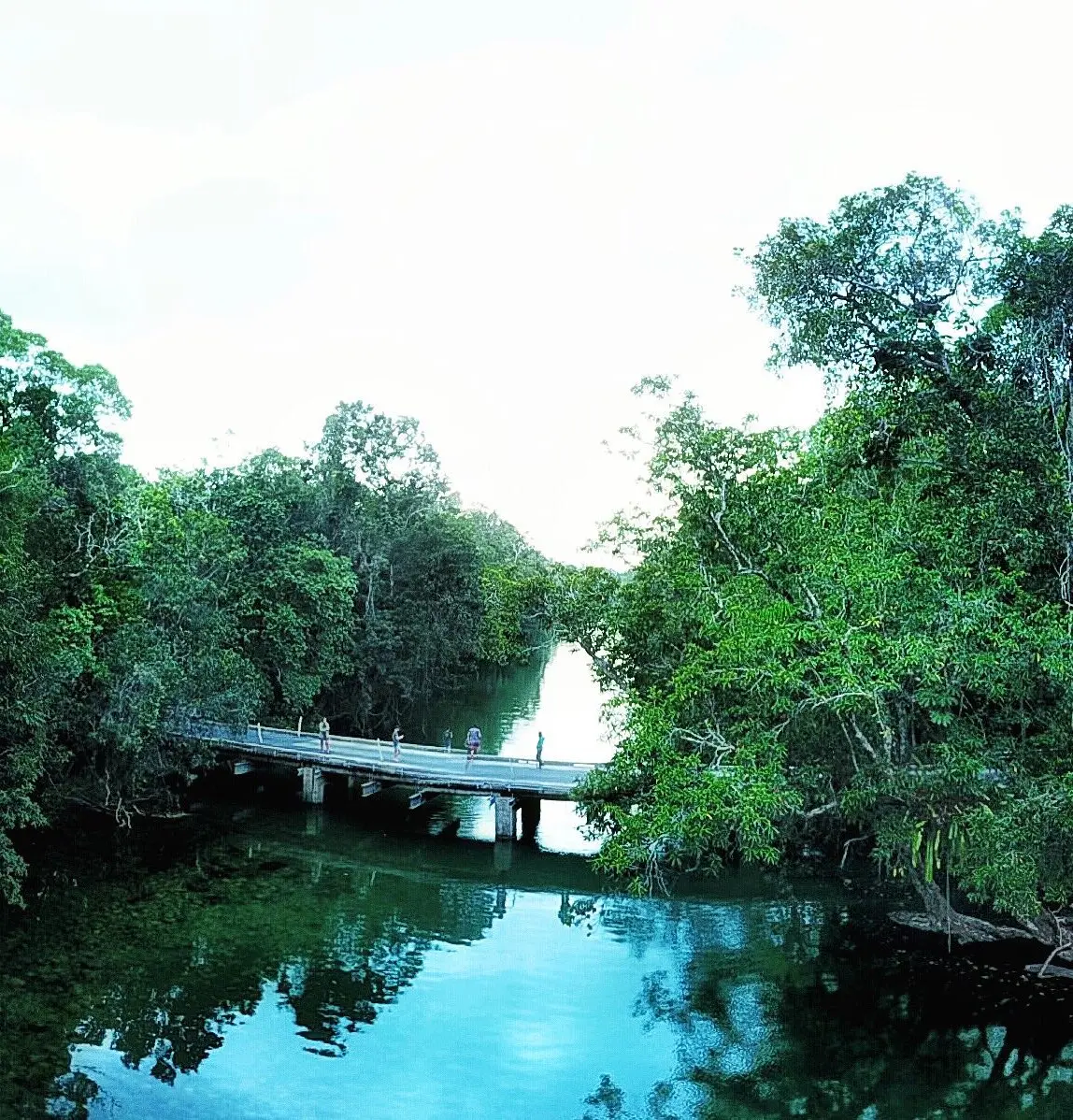
You’ll most likely come across the Gympie-Gympie in:
- Far north Queensland
- The subtropical rainforest zones in northern New South Wales
- Isolated patches of the Northern Territory
These areas are basically overflowing with tropical plants, so there’s loads of competition for space, and some get a bit aggressive in their defence.
Gympie-Gympies thrive in:
- the edges of rainforests
- creeklines
- areas with really rich soil and a lot of plant growth
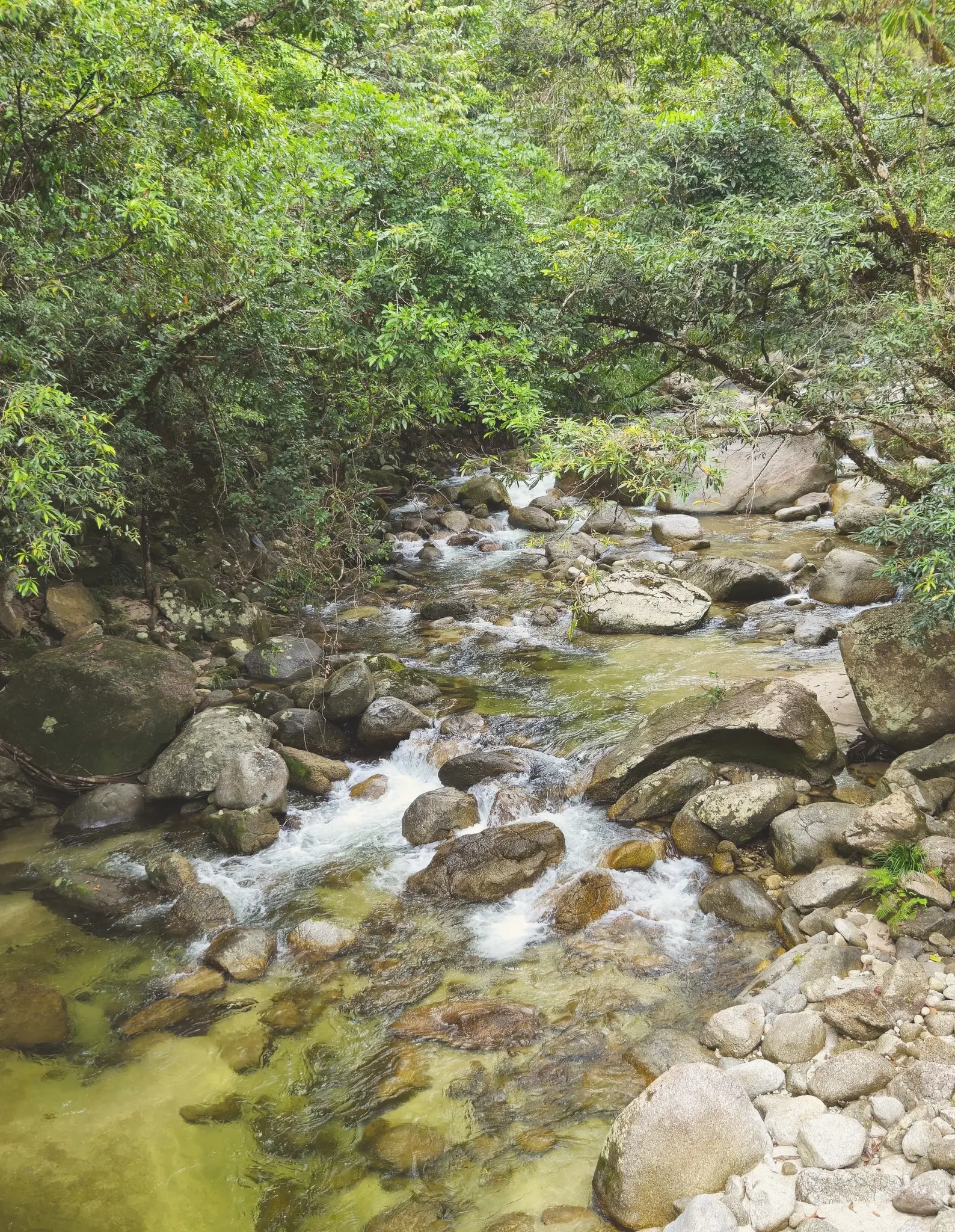
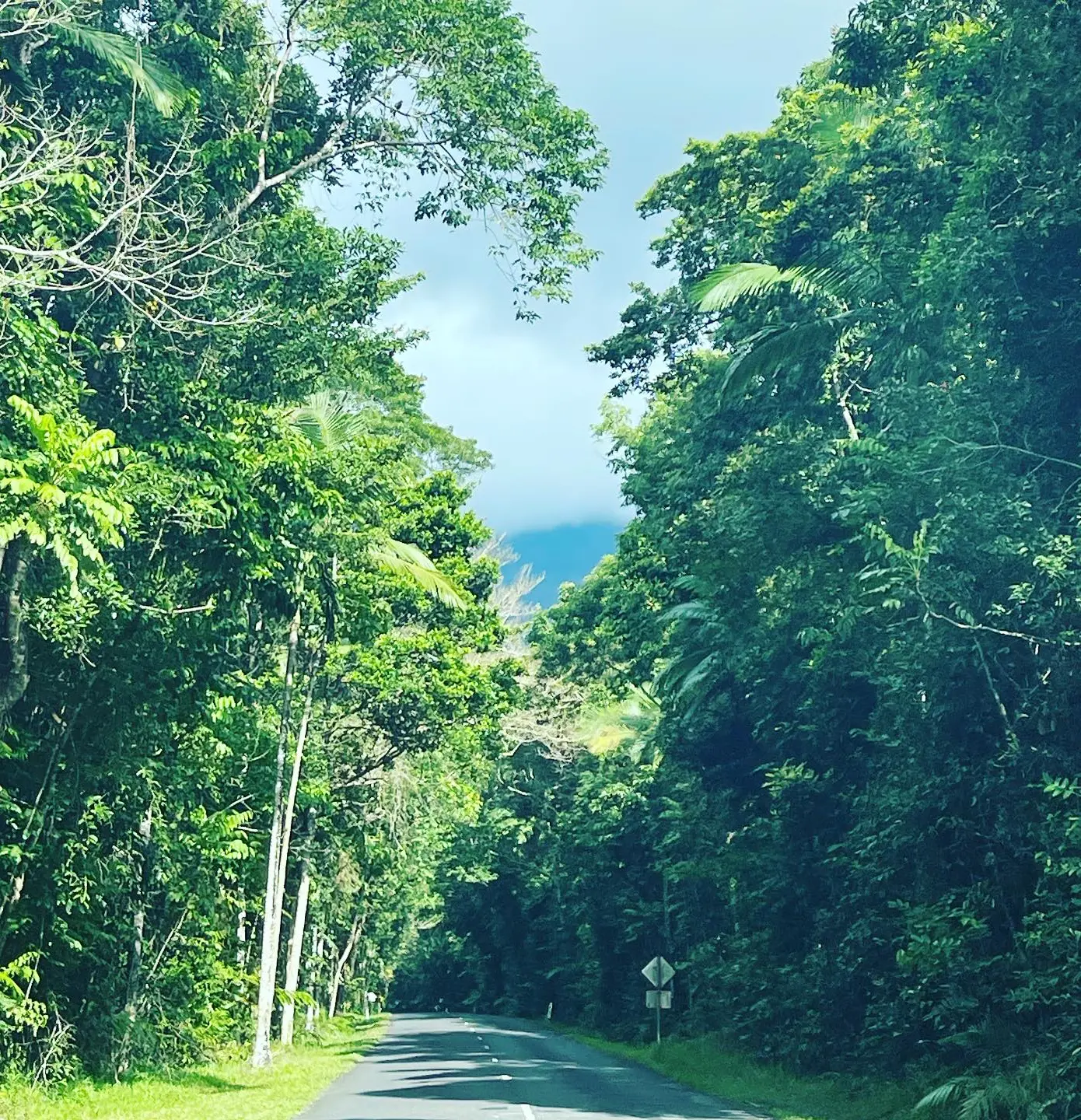
I remember walking a track near Cape Tribulation – there was so much moisture in the air it was hard to breathe, mozzies everywhere, and you could barely see where you were going because of all the foliage. It’s that sort of place where you’re on high alert not to slip over, not exactly what’s on your mind when you brush past something with your arm. That’s how people get stung.
How To Recognise It Before It Recognises You
This is the part that saves you a lot of grief.
The Gympie-Gympie doesn’t look dangerous. In fact, it looks soft and almost inviting — which is exactly why people touch it.
Key Features To Watch For
- Large, heart-shaped leaves
- Bright green colour
- Fine hairs across the surface
- Grows at arm or leg height along tracks
Here’s a quick reference worth remembering:
| Feature | What You’ll Notice | Why It Matters |
| Leaf Shape | Broad and heart-shaped | Easy to identify |
| Surface Texture | Velvety but covered in hairs | Contains stinging fibres |
| Growth Position | Along tracks and clearings | High contact risk |
| Root System | Shallow, spreading | Thrives in nutrient-rich soil |
| Surroundings | Dense rainforest or regrowth areas | Common habitat |
It’s not loud and obvious like a warning sign – it’s more like a sneaky little thing that catches you off guard. And that’s what makes it so potentially nasty.
Compared To Other Dangerous Plants
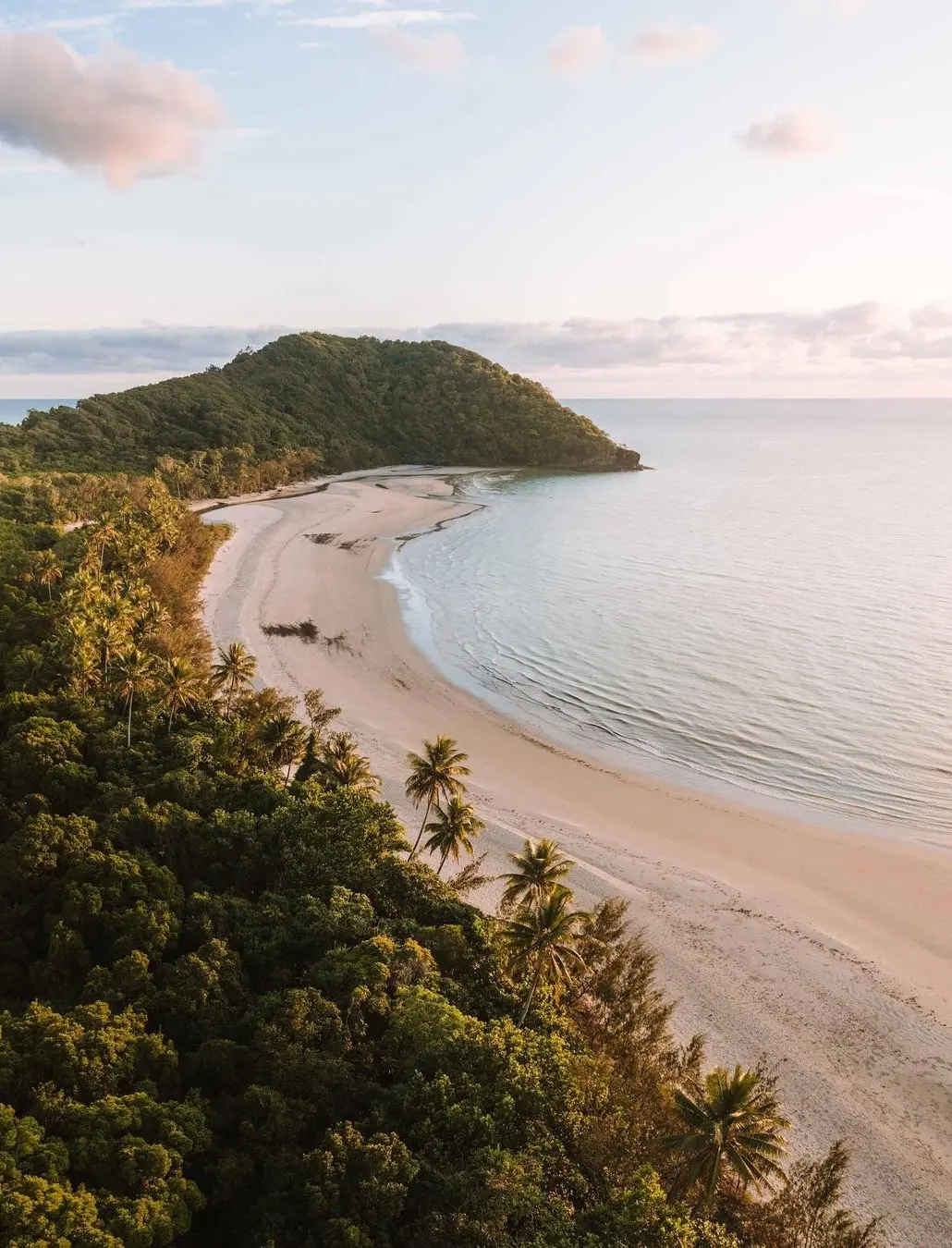
There are plenty of weird and unsettling plant life out there – all over the world.
- The Manchineel tree with its toxic sap, for instance
- Dead Man’s Fingers – a fungi that always looks like it’s trying to give you the creeps, but really isn’t much of a threat
- Corpse Flower – you know that one for its smell rather than its chances of killing you
- The Bat Flower – a real showstopper, even if it’s not particularly deadly
- And then there’s the Doll’s Eye – a small plant with some nasty toxins if you eat it.
But the Gympie-Gympie stands out in a big way – not because of its looks or because it’s toxic if you eat it. No – it’s because of the pain. It’s not a long, drawn-out poisoning or a nasty rash that takes weeks to clear up. One scratch, one touch, and that’s it. That’s all it takes to unleash a world of hurt.
What It Feels Like (And Why You’ll Never Forget It)

No beating about the bush here. The sensation is pretty much as bad as people make it out to be.
- a searing, stabbing kind of pain all at once
- electric shocks that shoot through your skin
- and then there’s the pain that seems to flare up over and over again
How long it lasts depends on how much scrapping you had with the Gympie-Gympie. A light brush might leave you with hours of discomfort. A bit more serious, and you’re looking at days or even weeks. And if you get really badly scratched? Well, that can be a week or more of your life you won’t be getting back.
It’s not usually going to kill you – but it can still put a real spanner in the works. Especially if you’re out in the middle of nowhere and can’t get to a hospital.
What To Do If You Do Get Scratched
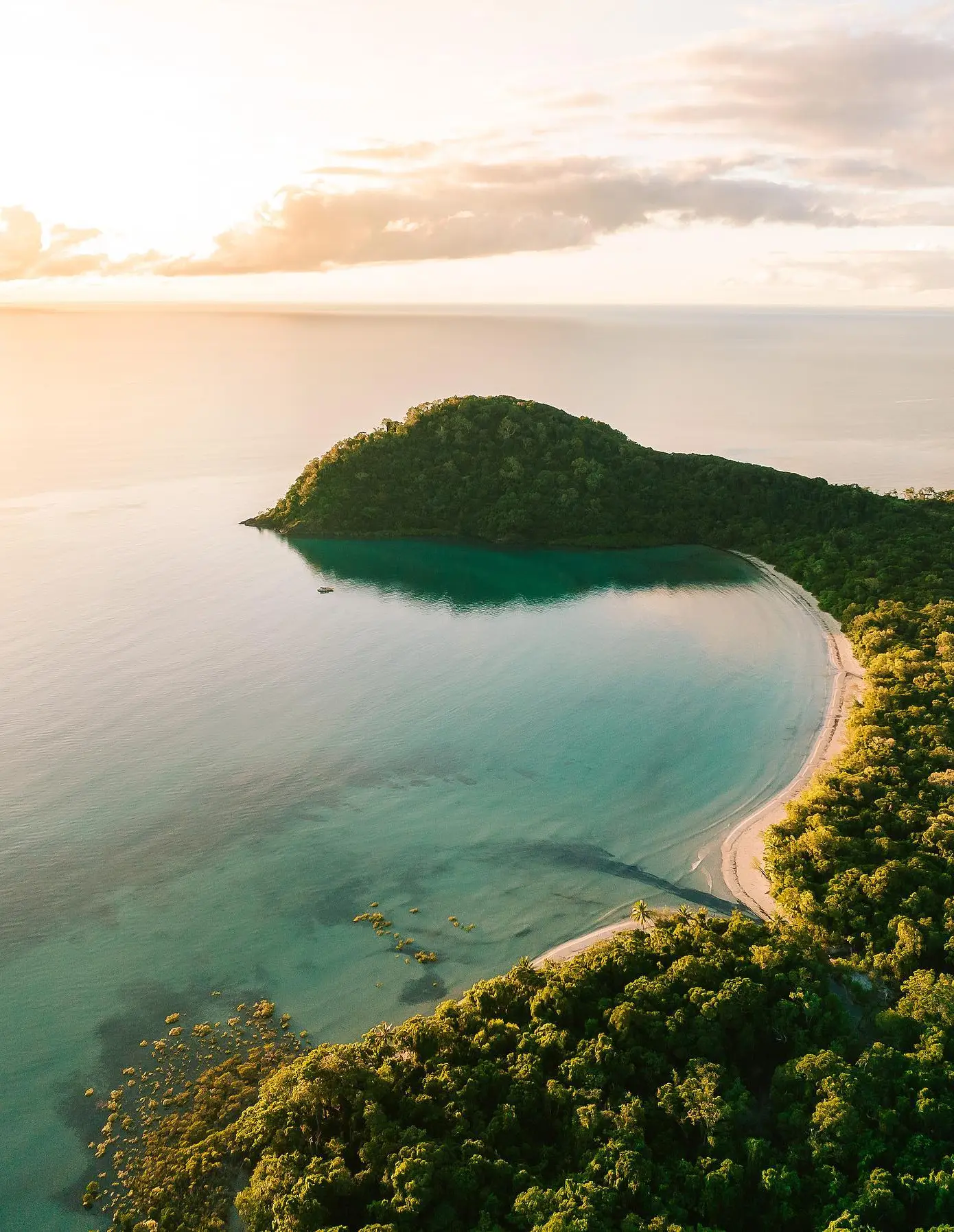
If you do happen to come into contact with the Gympie-Gympie, acting fast makes all the difference.
The key thing is to get the hairs out of your skin – and not push them further into your skin in the process. People use sticky tape or wax strips to lift them out. After that, a bit of gentle washing and some cool water to settle the area down can help.
But whatever you do, don’t rub or scratch the area. That’s just going to make things worse. And if the pain just gets worse and worse or shows no sign of clearing up? Then you need to get to a doctor.
A good first aid kit isn’t just for snake bites and other major incidents. It can really pay off in cases like this.
Why This Plant Has Succeeded In Australia
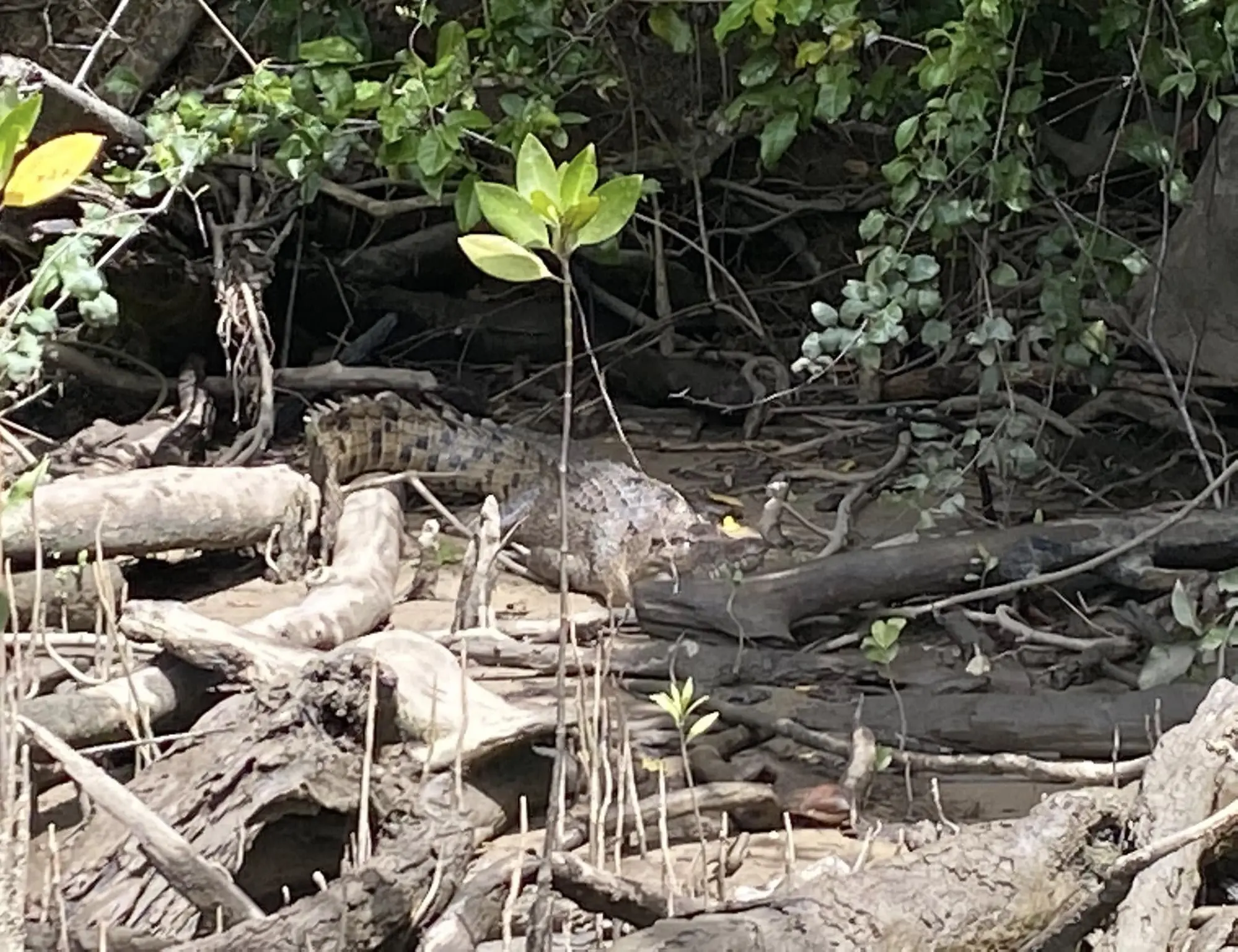
Australia’s a tough place for plants to live. The soil is rubbish, the weather can be extreme, and there are plenty of other plants competing for the same resources. Plants have to be pretty clever if they want to make it.
The Gympie-Gympie has done a pretty good job of it, because:
- its got a super powerful way of deterring animals from coming anywhere near it – which is a real advantage
- it grows fast in areas where other plants might struggle
- and its got some clever root structures that let it handle the rich rainforest soil like a pro
You’ll see similar tricks being used by all sorts of other plants in all sorts of ecosystems – like ferns using their height to get a bit of sunlight in the dense jungle canopy, or plants that live in volcanic soil and have learned to make the most of it. Plants don’t get this way by accident – it’s all about survival.
Simple Habits To Keep Out Of Trouble
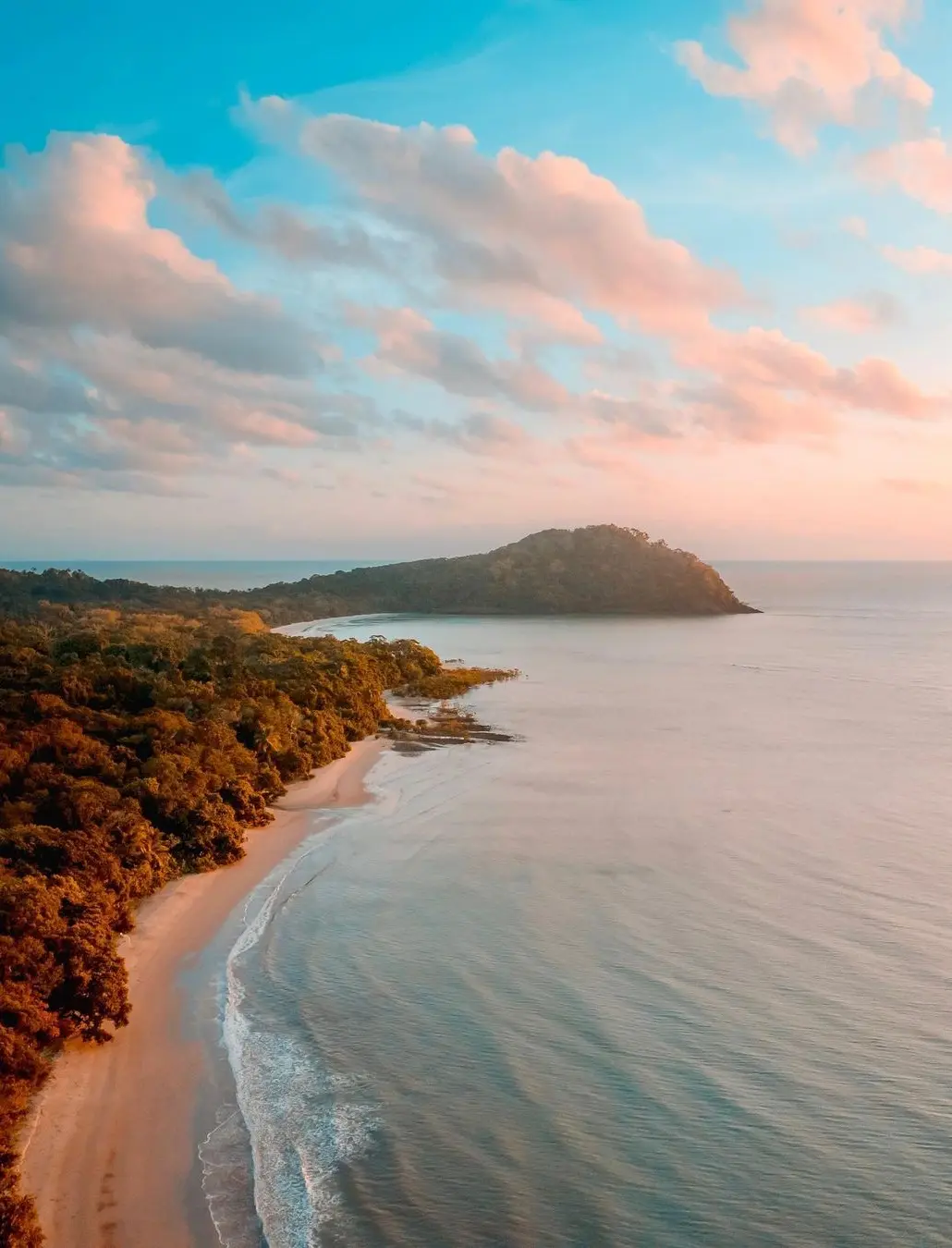
You don’t need a degree in botany – just a bit of common sense is all.
When I’m working with travellers, I keep things super practical:
- Stick to the marked tracks
- Watch where you’re brushing against things – some plants are just not worth taking a chance on
- Wear the right gear when you’re trudging through dense bush
- Learn the basics of a few key plants before you head out – it really does make a big difference
And that’s it – no need to overthink it!
If you’re one of the lucky ones and get to go with an experienced operator like Wildlife Tours, then you usually get a briefing before you even step off the bus that covers all the basics.
When The Conditions Make Encounters More Likely
The season really does play a big role here.
When it’s wet season, everything grows like crazy, tracks get overgrown, it’s harder to see what you’re doing, and the chances of accidentally running into something bad go way up.
But when it’s dry season, things are way easier – trails are clearer, it’s easier to spot plants and all that sort of thing.
The early dry season is probably my favourite time – less overgrowth, easier to get around and still plenty of greenery to look at.
Awareness On A Trip Of Any Sort
You don’t have to be right in the middle of the rainforest to use this sort of knowledge.
Even on a half-day trip along the Great Ocean Road, the guides will point out all the environmental hazards and risks – not because they’re going to be a problem, but because awareness is a muscle that travels with you no matter where you are.
Different landscapes, same idea – know what’s around you.
What Ive Learned Over The Years
After all the years I’ve been running trips around Australia, I think one thing that really stands out is that it’s not the things that are obvious that catch people out – it’s the things that you’d never even think about.
They’ll be watching out for snakes and scanning the water for crocs…then wander straight into a patch of dense bush without even thinking about it.
The Gympie Gympie stinger is a whole different story – it won’t move, it won’t give you a warning, it just sits there waiting for you to walk past and then …well, you get the picture.
Final Thoughts
Australia’s wild places aren’t going to attack you; they just expect a bit of common sense.
The “zombie tree ” is a great example of how nature looks out for its own turf. Take the time to learn what it looks like, leave it some space & you’ll be fine.
Just walk through the dense bush without a second thought, or assume every green thing is just harmless… and you might end up with a holiday story you’d rather not share with the family.
If you’re planning a trip up to northern Australia or joining a guided full-day Great Ocean Road Tour with Wildlife Tours, take the time to soak it all in. Listen to the experts, keep your eyes peeled, and you’ll have a real Aussie adventure.
And if you’ve had a weird encounter with the bush, I’m all ears for the story – that bush has got a lot of ’em
FAQ
What on earth are people calling “zombie tree”
Most of the time, it’s talking about the Gympie-Gympie – a stinging plant found mainly in northern Australia.
How long does it take for the pain to wear off
It can be anything from a few hours to a few weeks, depending on how severe the sting was and how you treat it.
Is it found all over the country
No – it’s mostly in the tropical and subtropical rainforests up north.
Are there other plants around the world that can give you grief
Yeah – there are plenty of irritating, toxic plants about – but the Gympie-Gympie has got a particular nasty sting to it that lasts for a while.
How do you avoid getting stung?
Just stick to the track, don’t go around brushing against the veg, and wear the right gear.