Does lip blushing ruin your natural lip colour?
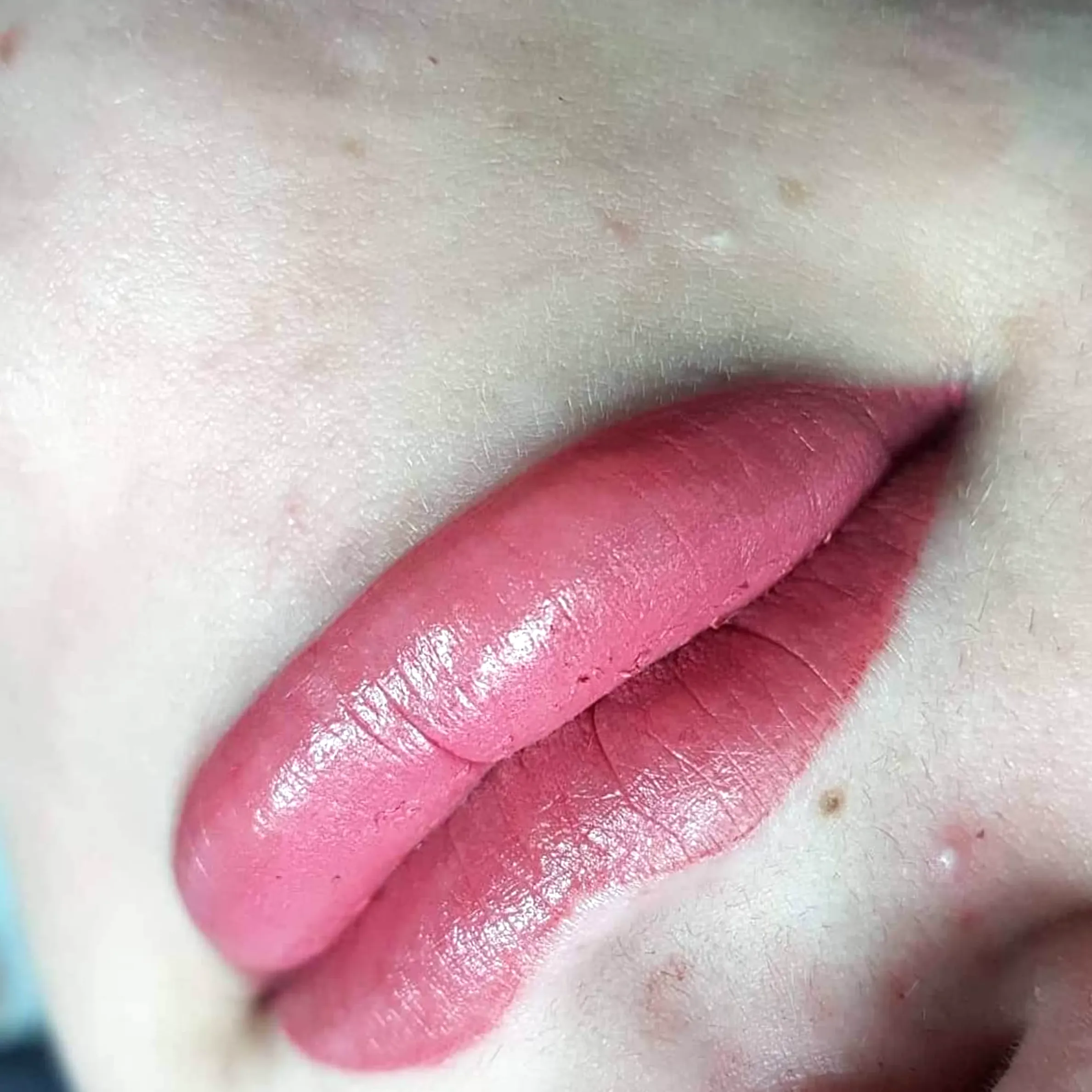
Ever typed “does lip blushing ruin your natural lip colour” into a late-night Google spiral? You’re not alone. Many people are curious (and a bit nervous) about whether this semi-permanent tattoo procedure changes their natural lips for good. And as someone who’s seen hundreds of healed lips up close in my Melbourne studio, let me give it to you straight: no, lip blush doesn’t ruin your natural colour. But there’s nuance.
Like any form of permanent makeup, lip tattooing can affect how your natural colour looks temporarily, especially during healing or when fading unevenly. But when done right, by a trained tattoo artist using quality pigments and proper cosmetic tattoo technique, your lips will eventually return to their baseline colour if you choose not to maintain the tint.
Let’s break it down, myth bust a few TikTok fears and talk real outcomes.
Changes in Lip Colour Over Time
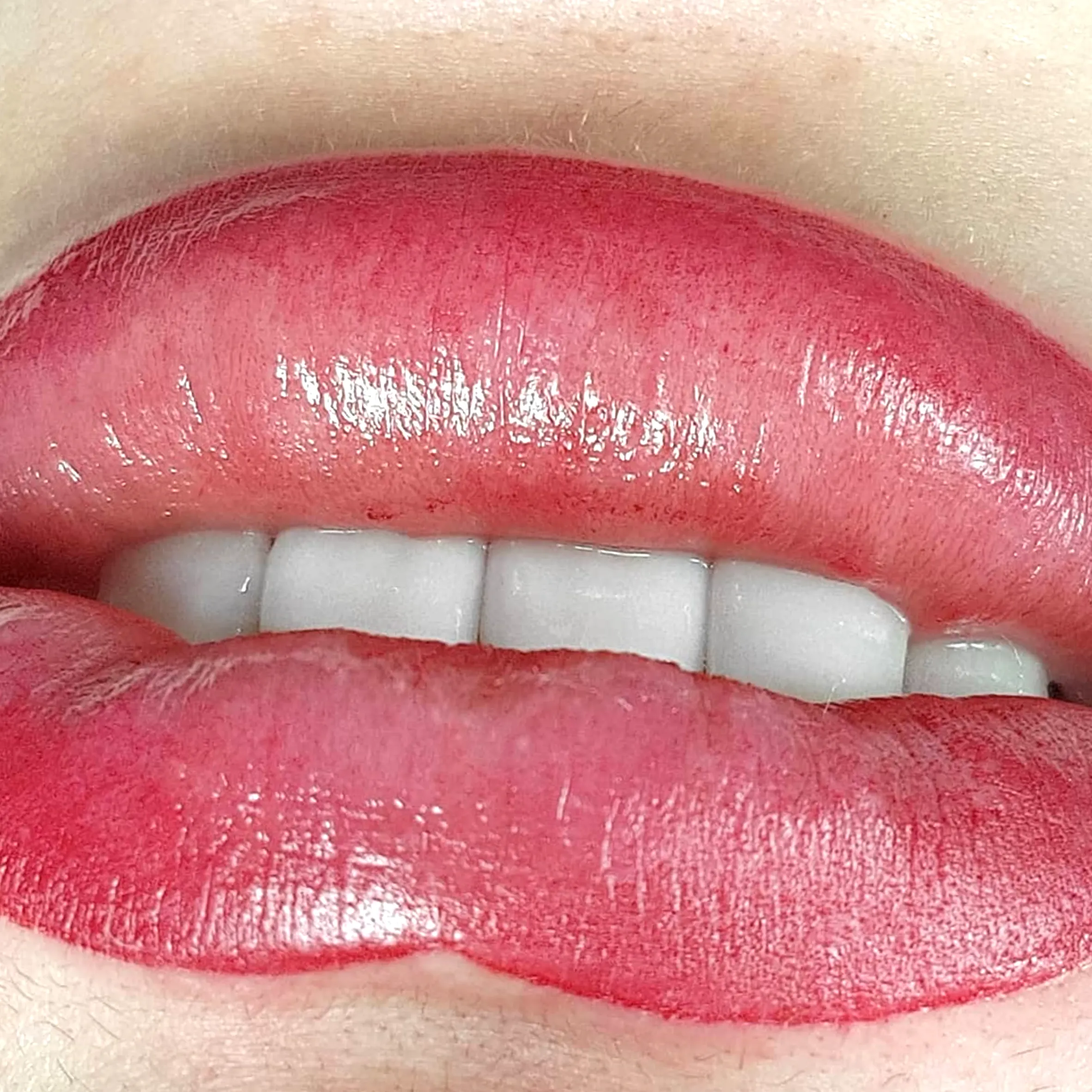
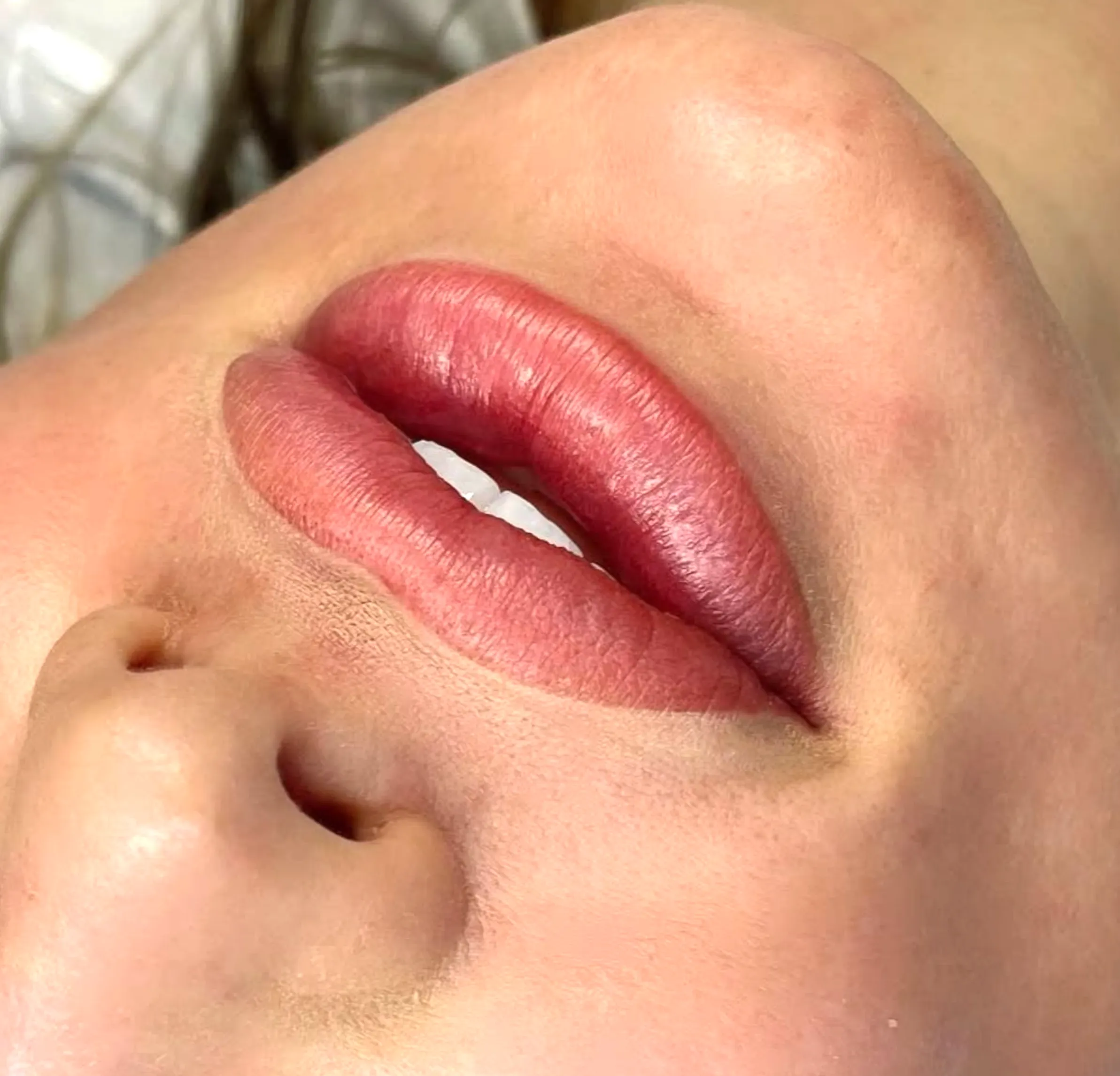
Tattoo pigment isn’t your natural colour, but it can enhance it beautifully.
Lip Blush implants pigment into the top layers of the skin using a cosmetic tattoo gun, not deep enough to permanently alter your body’s natural melanin. Over time, that pigment fades. How much and how fast depends on your skin type, sun exposure, lip care and the pigment used.
Here’s what we typically see in the studio:
- Immediately after treatment, lips appear darker or more intense than the final result. This isn’t your new lip colour—it’s temporary.
- During healing (first 7–10 days): Lips may scab, fade or look patchy. Normal.
- After 4–6 weeks, the true tone starts to emerge. Expect a soft tint, not a solid lipstick effect.
- 12–18 months later: Most clients see gradual fading. Some keep a whisper of tint; others return to baseline.
Some clients call it a “lipstick tattoo” because of the long-lasting tint, but remember—it’s more of a stain than a solid colour block.
Natural colour is never “ruined” — it’s just layered with pigment that softens over time.
When Colour Starts to Look Off
We’ve all seen the pictures: blue-toned lips, ashy edges, weird fading. Here’s the truth behind them.
This usually comes down to three things:
- Wrong pigment for the client’s undertone
- Unskilled technique or uneven depth of implantation
- Skin conditions or trauma not properly assessed beforehand
This is where colour theory comes in. A well-trained artist will know how to mix and correct shades to work with your unique undertone, not against it.
For example, someone with strong melanin or a history of cold sores will heal differently than someone with pale, even-toned lips. A good cosmetic tattoo artist will pre-assess for things like:
- Fitzpatrick skin type
- History of pigmentation or scarring
- Healing tendencies (e.g. hyperpigmentation or hypo)
- Existing lip tone and how it pulls certain colours
With the right prep, pigment correction (like dark lip neutralization) and technique, most of these issues can be avoided.
A Quick Look: What Can Cause Fading or Changes?
| Factor | Impact on Lip Pigment Longevity or Tone Shift |
|---|---|
| Sun Exposure | Can cause fading or colour shift (e.g., warm tones going cool) |
| Skin Type | Oily or darker skin types may retain pigment differently |
| Healing Aftercare | Picking or skipping balm can lead to patchiness |
| Cold Sores | Can lead to uneven healing or pigment loss if not managed properly |
| Spicy Food | Can irritate fresh lips during healing, slowing recovery |
| Lip Products | Acids or active ingredients may cause premature fading |
| Pigment Quality | Cheaper pigments may turn ashy or blue over time |
| Laser Treatments Nearby | Can accelerate fading or unintentionally break down lip pigment |
Want Your Natural Look Back?
Good news: you can.
Lip blush tattoo is a semi-permanent tattoo. That means the pigment fades gradually, and you can either:
- Let it fade completely (usually over 1–2 years)
- Speed up the process with saline removal or laser tattoo removal if needed
- Get a neutralising session to soften the effect
And here’s the kicker: in most cases, once the pigment fades, your natural lip colour is still intact underneath. If anything, clients often say their lips look healthier and more defined even post-fade.
If you’re unsure whether to refresh your tint or let it fade out completely, a quick consult can help you decide whether a full refresh or dark lip neutralisation is the best next step.
How a Pro Protects Your Natural Colour
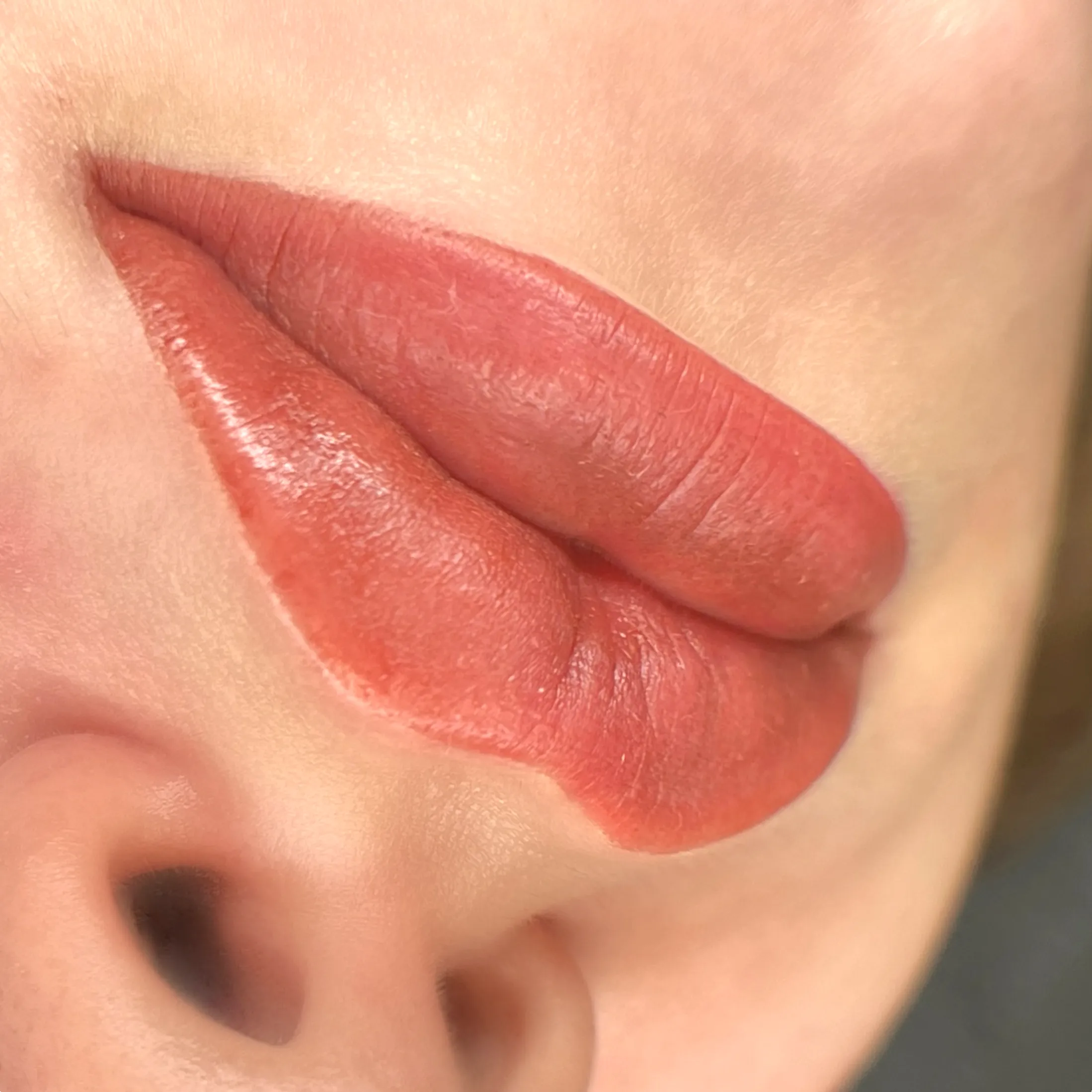
Not all lip tattoos are created equal.
In our Melbourne studio, we always prioritise:
- Custom pigment blending to suit your undertone
- Patch tests for sensitivity or unexpected colour pull
- Specialised techniques like light layering to avoid trauma
- Proper mapping for symmetry without over-lining
Whether you’re coming to us at sculpted studios or another reputable space, the artist should walk you through what to expect from your tattoo appointment, start to finish.
Some clients come in for a lip liner tattoo, thinking it will define their lips more, but we often recommend a more diffused blush for a softer, natural enhancement.
We also guide every client through detailed aftercare instructions (because lip tattoo aftercare is half the battle).
If you’re after a quality experience with a focus on skin safety, pigment precision and long-term results, our Cosmetic Tattoo Studio Face Figurati is Melbourne’s trusted destination.
2025 Trend: Natural, Blended, Barely-There Tints
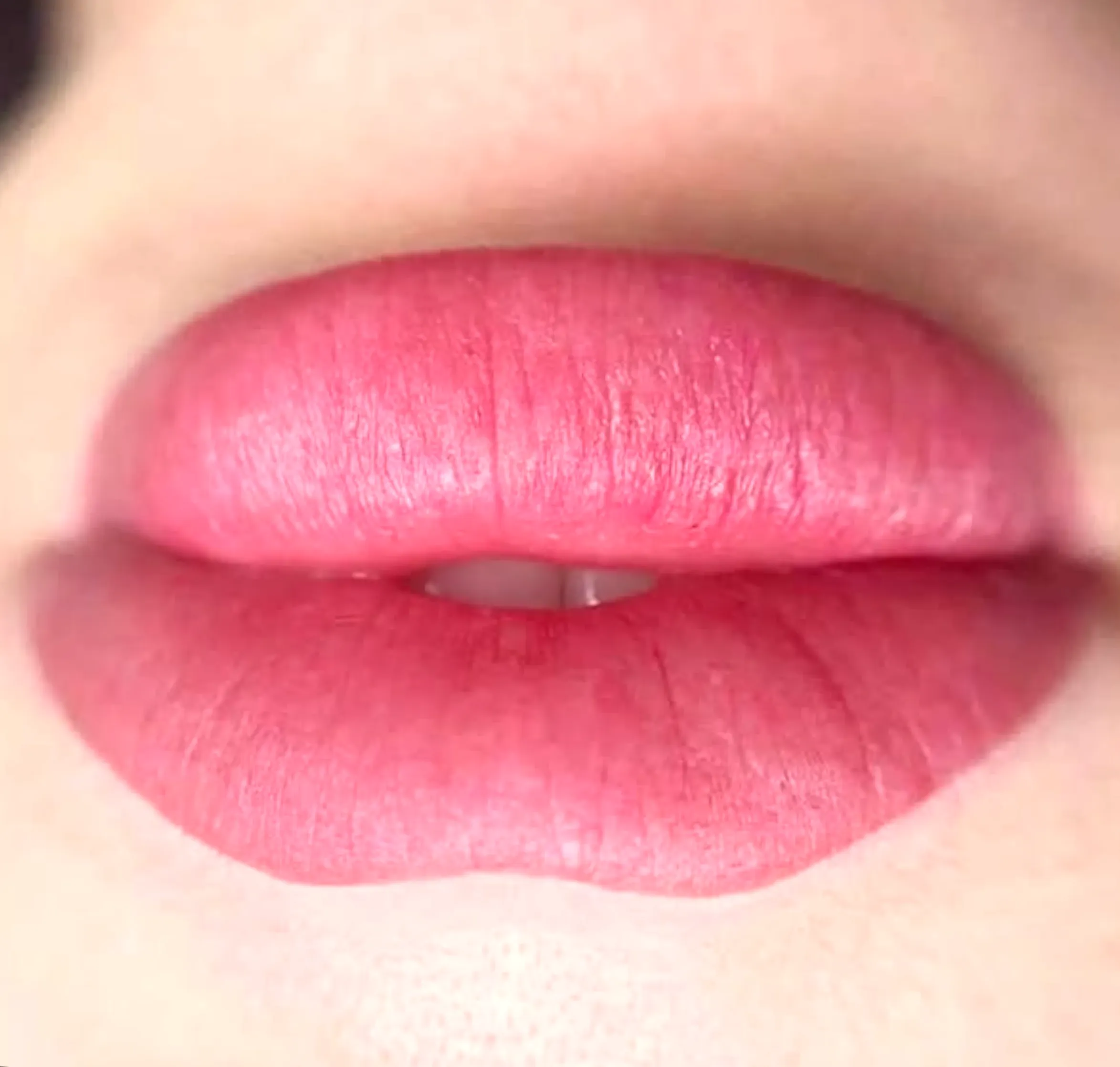
Gone are the days of harsh lip liner tattoo borders and brick-red saturation. In 2025, the trend is soft, watercolour lip blush with flexible fades and minimalist touch-ups.
According to a recent report from Cosmetic Tattoo Australia, over 73% of clients in 2025 are requesting sheer, buildable tones that enhance natural lip shape rather than overhaul it. That means more clients are booking:
- Neutral shades like rosewood, soft coral and warm pink
- Gentle ombré effects and colour gradient transitions
- Blending into the vermilion border without harsh lines
These approaches not only fade better but also preserve the integrity of your natural colour.
Final Thoughts: Respect Your Lips, Not Just the Trend
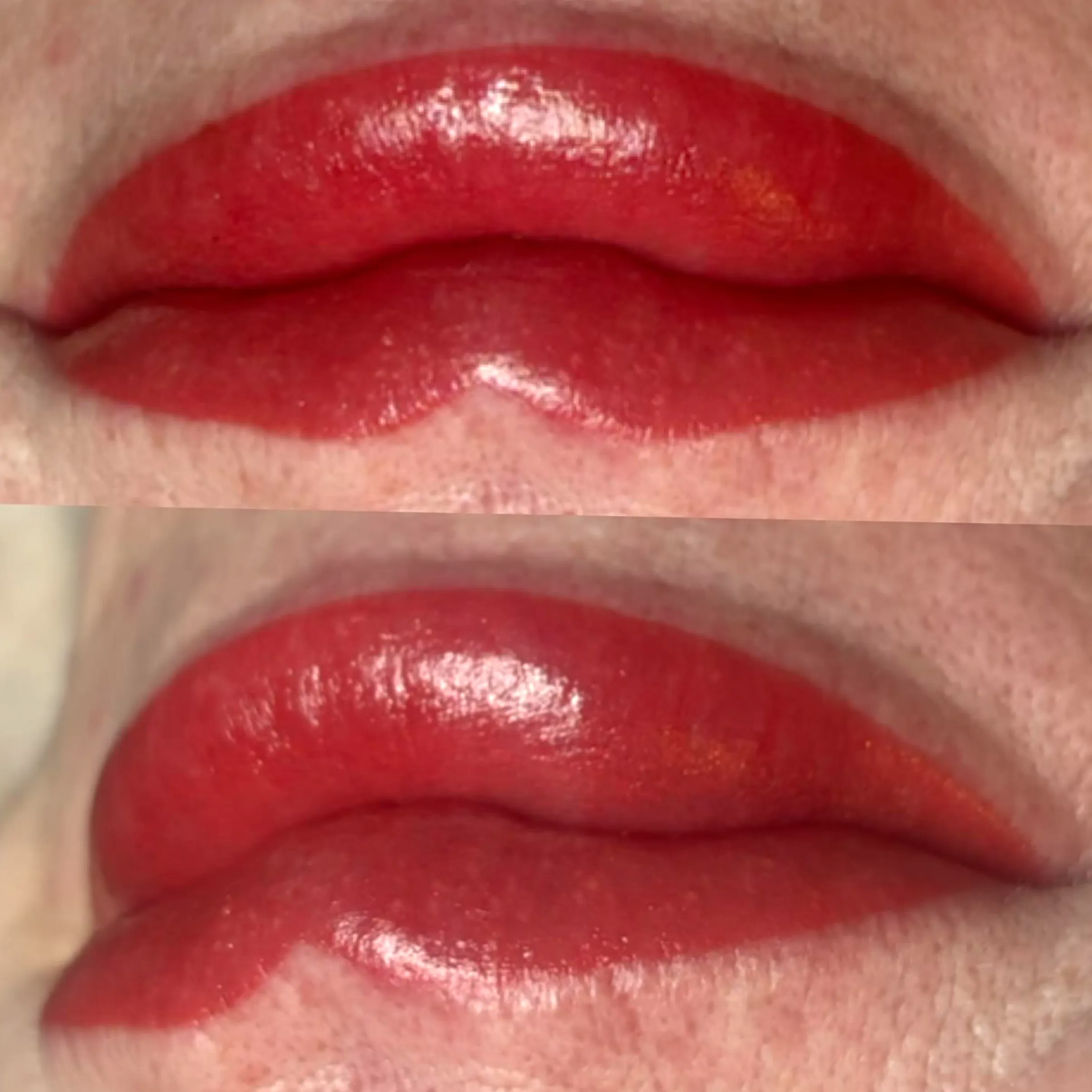
If you’re asking, “Does lip blushing ruin your natural lip colour?” it’s probably because you’re someone who cares about long-term results. Good. You should.
Done properly, lip blush tattooing won’t damage or change your natural lips. But it can go wrong in the wrong hands. Always book with an experienced, qualified tattoo artist who understands pigment chemistry, undertones, healing and safety protocols.
FAQ
Can lip blushing cause permanent discolouration?
Only if done poorly. With the right pigment and technique, any discolouration is temporary and fades over time.
Will I still need to wear lipstick after lip blush?
If you like a bold colour, yes. Lip blush gives a soft tint — more like a tinted balm than a matte lipstick.
Does everyone heal the same way?
Not at all. Skin tone, immune response, cold sore history, spicy food habits and even climate can affect your healing and results.
Can I get lip blush if I have darker lips?
Yes, but you may need a few rounds of dark lip neutralisation to get to your desired tone safely.
How do I know if my artist is qualified?
Check their healed results (not just fresh ones), training credentials, pigment brands, if they use a cosmetic tattoo gun safely and if they offer full aftercare and patch test options.