How Often Is It Okay to Get a Facial?
At Cosmetic Tattoo Brisbane Studio Face Figurati, we know a thing or two about skin — and not just tattooed brows. Our team sees the full spectrum of clients, from first-time facial goers to beauty treatment veterans chasing smoother skin and better hydration. We offer some of the most trusted facials Brisbane locals rely on, and we’ve heard every question under the sun about how often you really need to book in.
If you’ve ever left a facial glowing like you’ve been lit from within, you’ll know why it’s tempting to book your next one on the spot. But how often should you be getting facials? Once a month? Every week? Only before big events? In this guide, we’re cutting through the fluff and influencer nonsense to give you a real-world breakdown based on skin types, skin conditions, goals, and what actually works.
As someone who’s been elbow-deep in extractions, enzymes, and LED masks for over a decade, I’ve seen what happens when clients overdo it—and when they wait far too long between treatments. This isn’t about selling you monthly memberships or miracle results. It’s about skin education, straight up.
The Real Benefits
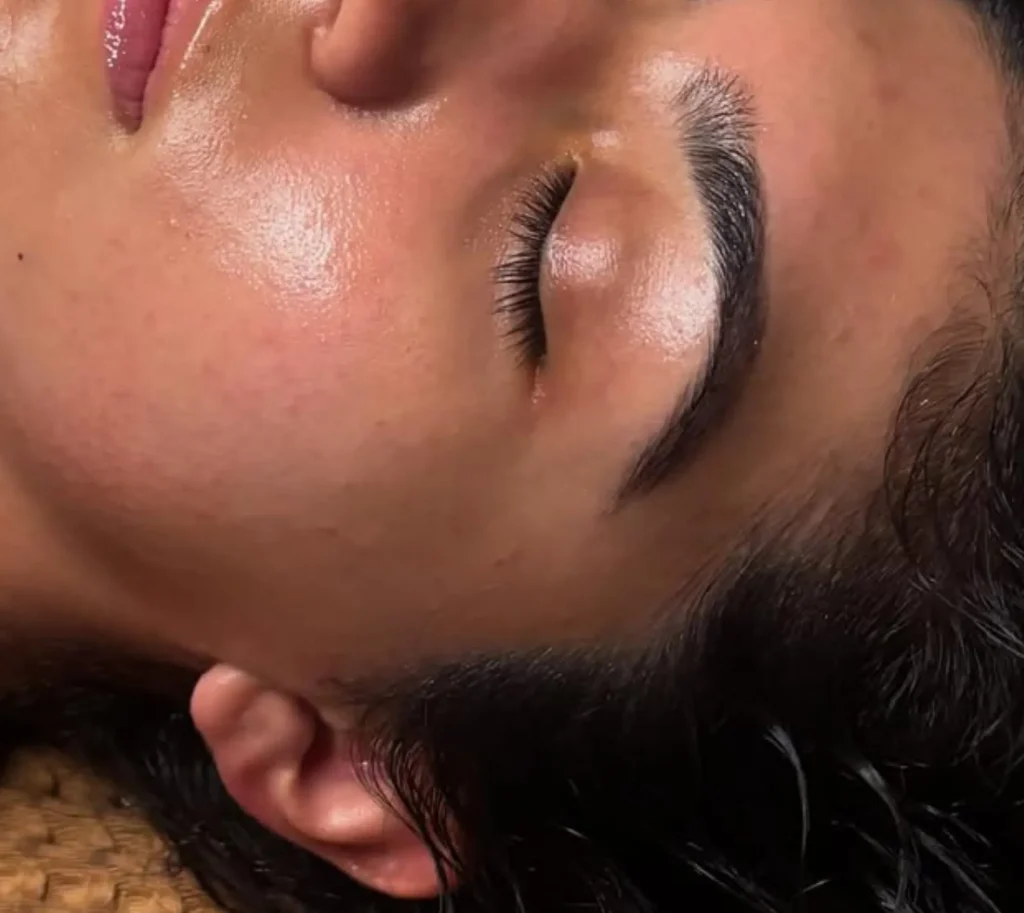
A good professional facial goes far beyond your at-home cleanse and sheet masks. Here’s what’s typically involved:
- Deep cleansing to remove buildup, dead skin cells, and congestion
- Exfoliation (chemical or physical exfoliation) to shift dead skin and smooth uneven texture
- Extraction of blackheads, milia, and clogged pores (when appropriate)
- Masking to rebalance, hydrate, or purify, including options like collagen masks or banana face masks
- Facial massage to stimulate blood flow and lymphatic drainage
- Targeted treatments like LED (including blue light), high-frequency, or handheld device application
Professional treatments support skin health by boosting skin cell turnover, improving product absorption, and helping with everything from hydration levels to the appearance of wrinkles and acne scars. Whether you’re after a regular facial or prepping for a special occasion, the right treatment can make all the difference. That’s why so many clients seeking facials in Brisbane trust experienced clinics to tailor their care to specific skin concerns. by boosting skin cell turnover, improving product absorption, and helping with everything from hydration levels to the appearance of wrinkles and acne scars. But more isn’t always better.
How Often Is Just Right?
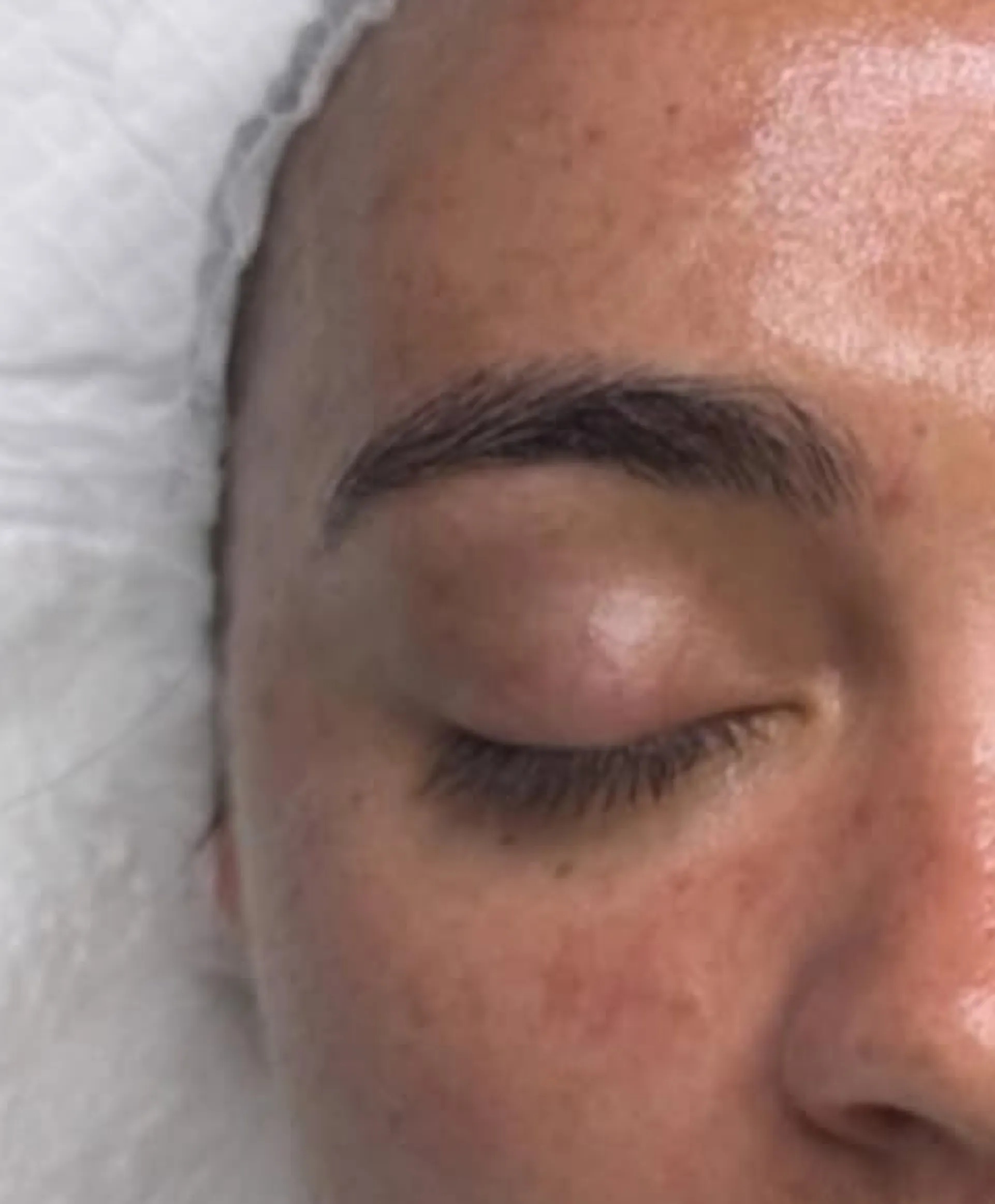
Let’s break it down by skin type and skin concerns:
| Skin Type/Concern | Suggested Frequency | Notes |
|---|---|---|
| Normal/Combo Skin | Every 4–6 weeks | Ideal for maintenance and a radiant complexion |
| Dry Skin | Every 4–6 weeks | Helps retain moisture and repair the skin barrier |
| Oily/Acne-Prone Skin | Every 2–4 weeks during flare-ups | Focus on decongestion and managing acne-causing bacteria |
| Sensitive Skin | Every 6–8 weeks | Gentle facials only — avoid irritating products and over-treatment |
| Ageing/Mature Skin | Every 4 weeks or with season changes | Boosts blood flow and supports a youthful appearance |
Hot Tip:
If your skin is doing just fine, you don’t need a facial every four weeks. Seasonal facials (every three months) can keep things in check without disrupting your skincare routine or budget.
Why More Isn’t Always Better
Some beauty rituals are best done in moderation. I’ve had clients rock up wanting daily sessions because they’ve got a wedding in a month or they saw it on TikTok. Here’s the truth: your skin needs time to heal, recalibrate, and shed layers of skin naturally. Over-treating can lead to:
- Skin irritation and redness
- Sensitisation and inflammation
- Weakened skin barrier and imbalance
Think of it like exercise. You wouldn’t smash your legs at the gym every day — your muscles need rest. Same with your skin. Healthy skin = balance, not aggression.
What About Specialised Treatments?
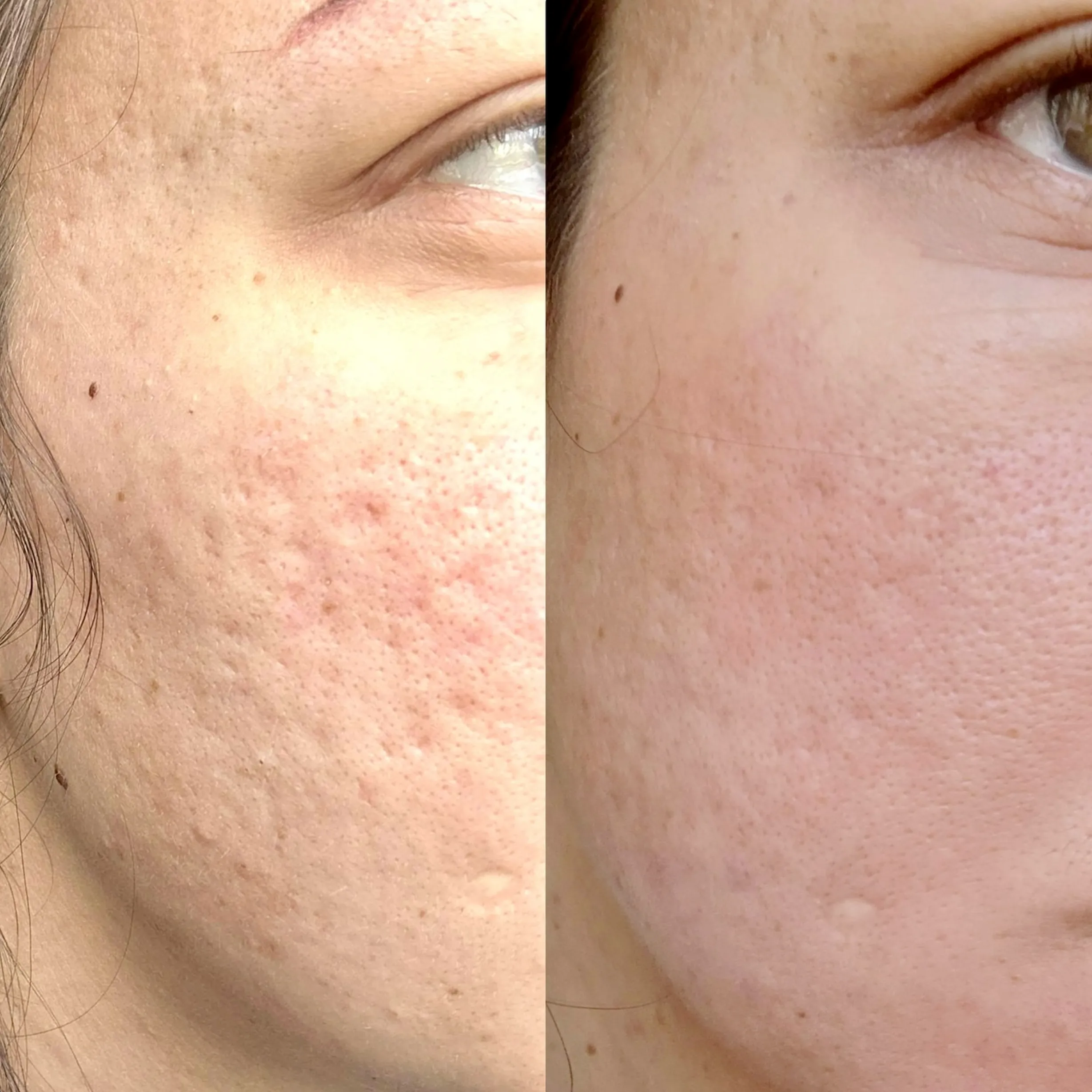
Some types of treatments have specific protocols that affect frequency. A few examples:
- Chemical peels (including glycolic peel, lactic acid, or acid peels): Spaced 3–6 weeks apart depending on strength and skin type
- Microneedling: Every 4–6 weeks with 3+ sessions to target skin texture or appearance of acne scars
- Hydrodermabrasion: Monthly or bi-monthly to remove dead skin and maintain hydration
- LED Light Therapy: Up to 2 times a week — especially helpful for acne bacteria or healing support
Real Talk from the Treatment Room:
One client came in after DIYing facial peels and using salicylic acid daily — she had dry, reactive skin and flaking on every layer of skin. It took months of expert advice, gentle cleanser swaps, and barrier-repair work before we could touch active ingredients again.
Seasonal Skin Cycles
Your skin care routine should change with the seasons:
- Summer: SPF, sweat, and congestion — deep cleansing and exfoliating treatments shine
- Winter: Dry skin? Boost hydration with hyaluronic acid, water-based cleanser, and barrier-supporting masks
- Spring: Great time for brightening facial treatment and smoothing uneven skin tone
- Autumn: Reverse sun damage, even skin tone, and prep for drier months with lactic acid or enzyme-based facials
Do You Need It at All?

Truth time: Not everyone needs professional facials every month. Focus on your skin goals, not a trend.
You probably don’t know if:
- You’ve got healthy skin, no major skin concerns, and a consistent skincare regimen
- You’re a teen with no acne or irritation
- You’re budgeting and already using the right skin care products
You might benefit if:
- You’re navigating hormonal shifts, skin changes, or stress
- You have severe acne, clogged pores, or dry skin
- You’re targeting ageing, texture, or the appearance of pores
- You simply love a beauty treatment (and who doesn’t love a spa facial?)
What to Do Between Appointments
Here’s how to support your results and get smoother skin from home:
- Stick to a simple, effective skincare routine: gentle cleanser, vitamin C serum, moisturiser with hyaluronic acid, and SPF
- Use enzyme masks or mild facial peels weekly (based on your level of exfoliation tolerance)
- Ditch irritating products that strip your skin barrier
- Prioritise sleep, hydration, and regular exercise to support skin balance
Bonus Tip:
Look for beauty box samplers before investing in new beauty products. Try a gel cleanser, daily cleanser, or a fresh vitamin C serum before full-size purchases.
Average Cost in Australia (2025 Data)
Here’s a snapshot of typical pricing for popular skincare treatments:
| Facial Type | Avg. Price (AUD) |
| Basic Deep Cleanse | $90–$120 |
| Hydrating Facial | $120–$160 |
| Enzyme or AHA Facial | $130–$170 |
| LED Add-On | +$40–$60 |
| Clinical Peel | $150–$220 |
| Microneedling (per session) | $250–$350 |
Always ask what’s included in the facial treatment, especially if it involves application of masks or serums. Some spas will charge extra for things like collagen masks, lymphatic drainage, or the application of serums.
The Final Word
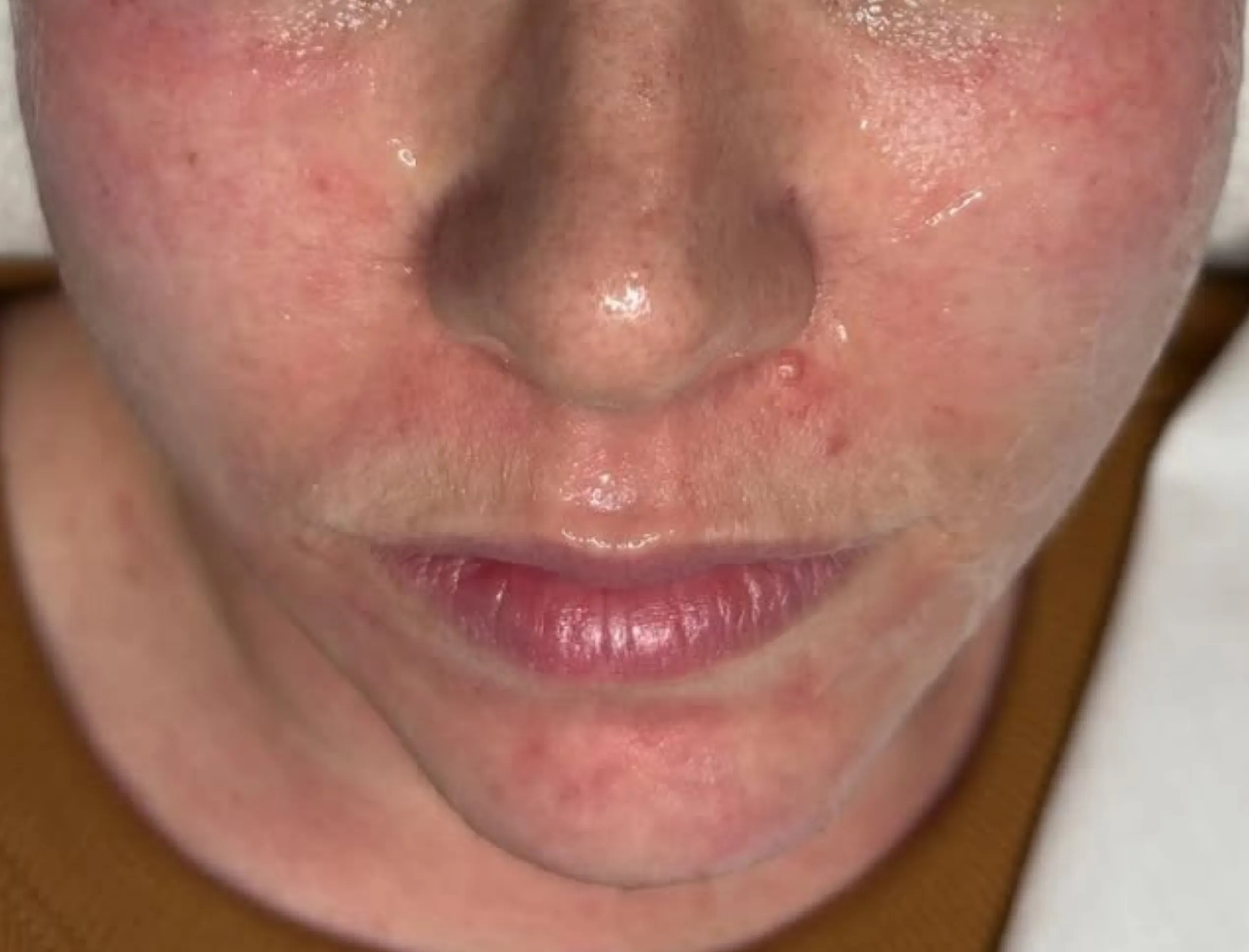
Facials aren’t a magic bullet — they’re one piece of a balanced approach to skin care. If you’re looking for professional facials Brisbane beauty lovers swear by, the key is finding treatments that match your skin goals and type. Tune in to your skin’s needs, support it with great products and habits, and seek professional facial help when your skin asks for it. — they’re one piece of a balanced approach to skin care. Tune in to your skin’s needs, support it with great products and habits, and seek professional facial help when your skin asks for it.
Want personalised advice for your skin type or beauty goals? Book a consult or send me a message — I’m happy to steer you straight.
Here’s to beautiful skin, without the BS.
2026 Update: How Often Brisbane Clients Are Really Booking Facials
Updated 2025–2026 clinic booking patterns show a clear move away from rigid “every four weeks” rules and toward goal-based facial scheduling. Clients with balanced skin are spacing treatments further apart, while those managing acne, dehydration, pigmentation, or texture changes are opting for short-term treatment blocks followed by maintenance phases. In Brisbane, where heat, sweat, and sunscreen layering accelerate congestion and dullness, treatments that combine cleansing with hydration continue to rank highest for repeat bookings. This is why options such as Hydrafacial at The Facial Hub remain popular in treatment plans designed to reset the skin without overwhelming it.
At the same time, 2026 data highlights increased demand for long-term skin correction rather than instant cosmetic fixes. Clients are more educated, more cautious about over-treatment, and more focused on barrier health, collagen support, and consistent results. Instead of chasing trends, many are committing to structured programs that support gradual improvement in tone, texture, and resilience. This shift explains the growing preference for skin rejuvenation treatments at The Facial Hub, where treatment frequency is adjusted seasonally and based on real skin behaviour — not influencer schedules or blanket recommendations.
FAQ
Can I get a facial while pregnant?
Yes — but avoid active ingredients like retinoids, strong acid peels, and salicylic acid. Focus on calming treatments that boost hydration and fresh complexion.
Will facials make me break out?
They can trigger a purge (especially with deep cleansing or physical exfoliation), but shouldn’t cause major breakouts. Let your aesthetician know your skin type, allergies, and current skincare products.
Can men get facials too?
Yes. Many men benefit from regular facials to manage shaving irritation, acne, and skin texture — especially when paired with a personalised approach to skin care.
How soon before an event should I book?
Aim for 5–7 days before any special occasion. That allows time for any redness to settle and your skin to reach peak glow.
How do I know if my skin therapist is legit?
They should offer expert advice, ask about your skincare regimen, and never push unnecessary purchases of products. Ask if they’re an expert aesthetician and what type of beauty treatments they specialise in.