When not to travel to Uluru?
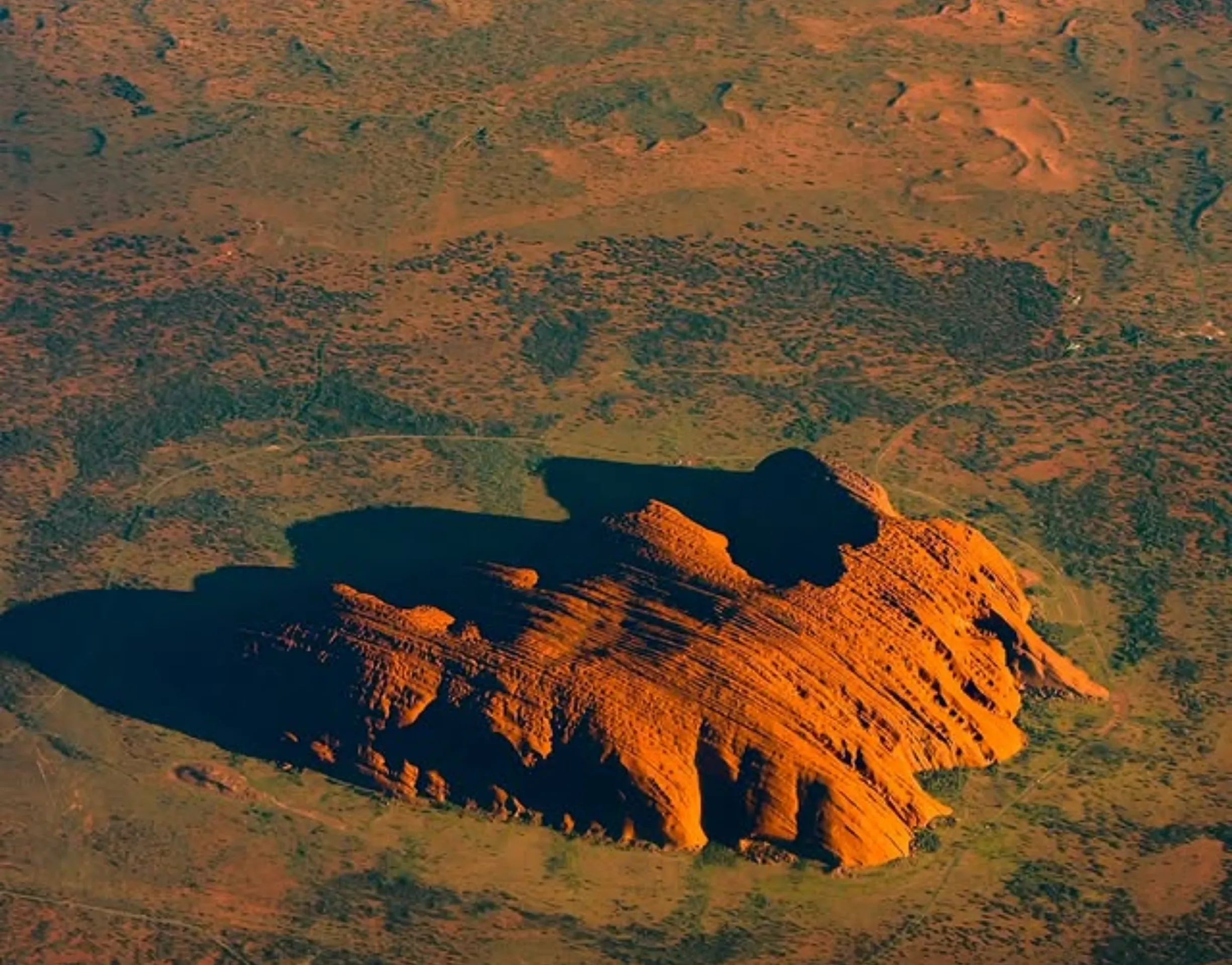
Planning your perfect trip to Uluru? There’s no denying this massive rock formation in Central Australia—one of the most iconic landmarks in the country—delivers an immersive experience that stays with you for life. But timing is everything. The difference between a comfortable trip and a challenging one can come down to degrees Celsius, the chance of rain, or even the prices of flights.
So, when is the worst time to visit Uluru? As someone who’s wandered the desert terrain from the blue light of early morning to the red glow of a late afternoon sunset, I’ll walk you through the seasonal weather conditions, logistical factors, and Australian outback experiences you’ll want to avoid. Let’s make your Uluru journey unforgettable—for all the right reasons.
Summer Months: Too Hot to Handle
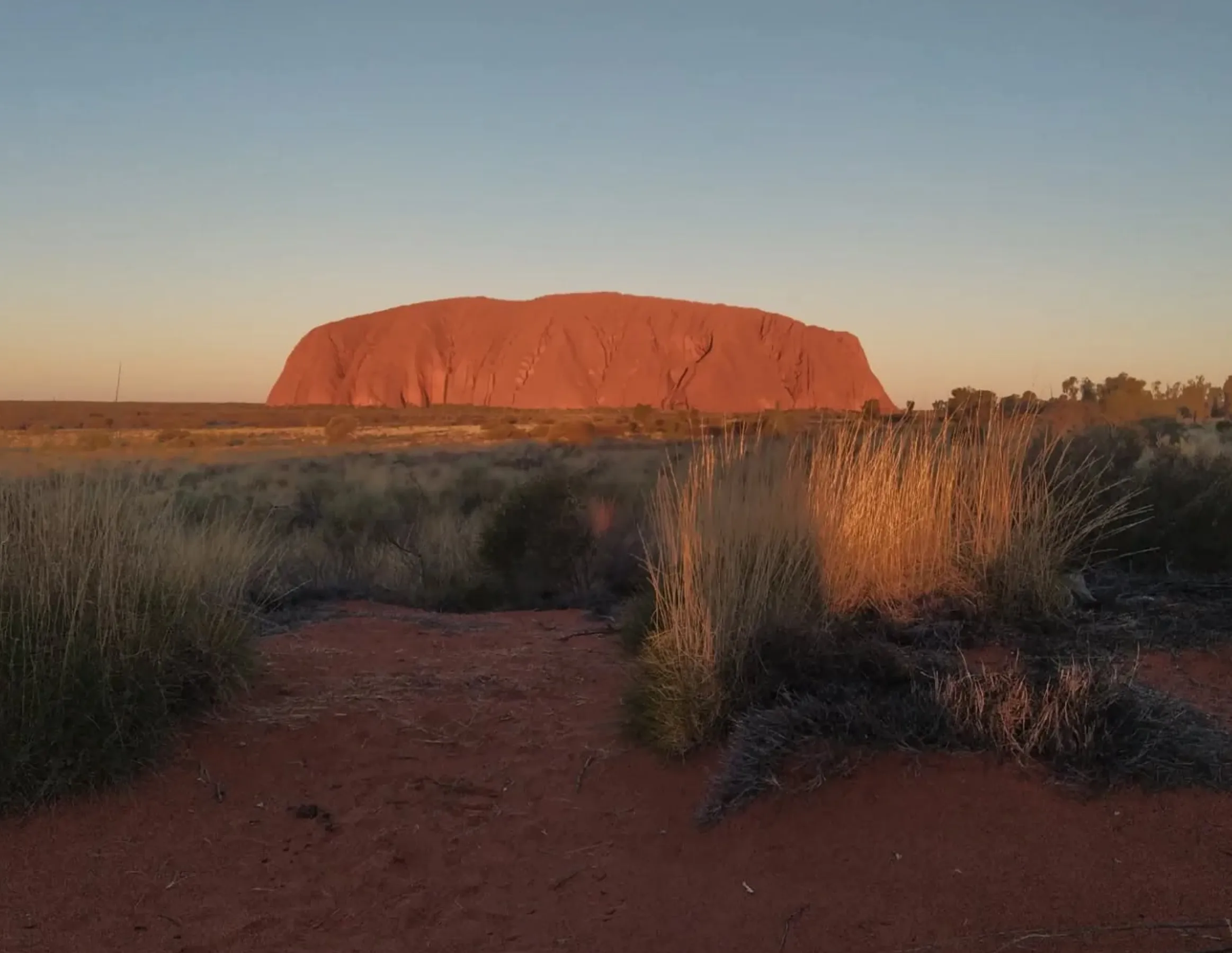
The summer months—December through February—are the heat of summer in the Red Centre, and they’re hands-down the worst time for most travellers.
Why Summer’s a Struggle
- Daytime temperatures often exceed 40°C, with the midday heat turning the surrounding flat desert into a furnace.
- The sandstone monolith of Uluru may radiate heat, making walks uncomfortable, even dangerous, despite its natural beauty.
- Monsoonal storms and heavy rain can make roads impassable and increase humidity.
- It’s difficult to enjoy hiking trails or cultural experiences when your energy is zapped by the sun.
If you’re planning a Uluru 3 day tour in summer, it’s best to go with a guided operator who knows how to navigate the conditions safely and provide access to water, shaded rest stops, and cooling measures. Many Uluru tours begin at sunrise to beat the heat and allow for short hikes near Uluru-Kata Tjuta National Park before temperatures soar.
Wet Season: Weather That Disrupts Plans
From November to March, the Red Centre enters its wet season, and although it’s not tropical, it’s still unpredictable.
Travel Risks in the Wet Season
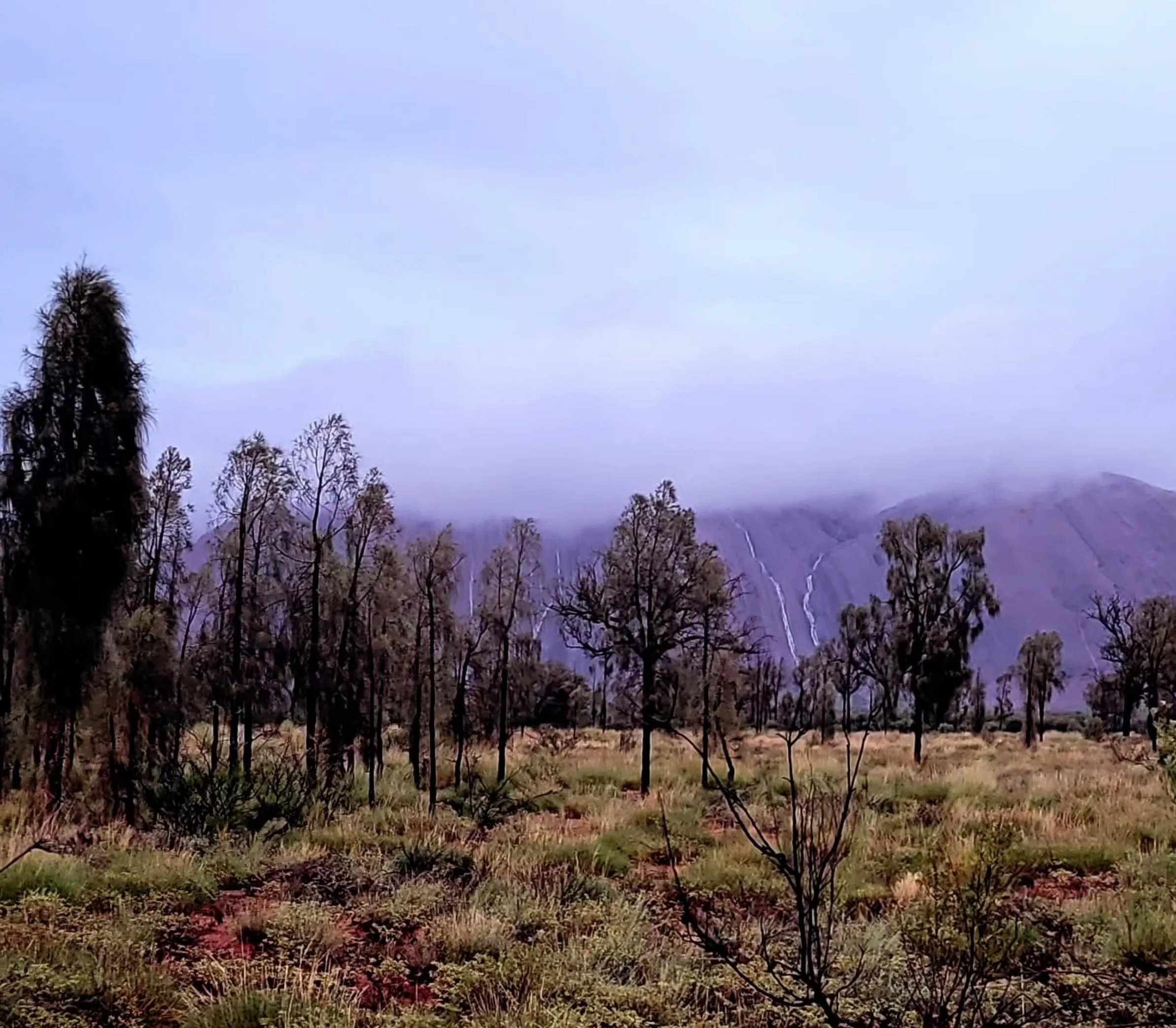
- Afternoon rains and amazing afternoon storms can affect visibility and activities.
- Tracks in Uluru-Kata Tjuta National Park or roads to Kings Creek Station may be closed due to flash flooding.
- Camping experiences can be frustrating with wet weather, bugs, and muddy campgrounds, even at places like Curtin Springs or Holiday Parks.
- Light plane flights, scenic flights, and helicopter flights may be grounded during unstable weather.
Some Uluru tour to wet season conditions, so always check with your tour provider before arrival. While you might be lucky enough to witness waterfalls cascading down Ayers Rock, the trade-off is often discomfort, reduced access, and unpredictable conditions.
Public Holidays and Peak Season Chaos
Uluru is a popular tourist destination during school holidays, Easter, and Christmas. But the busiest time doesn’t always offer the best experience.
Downsides of Peak Season
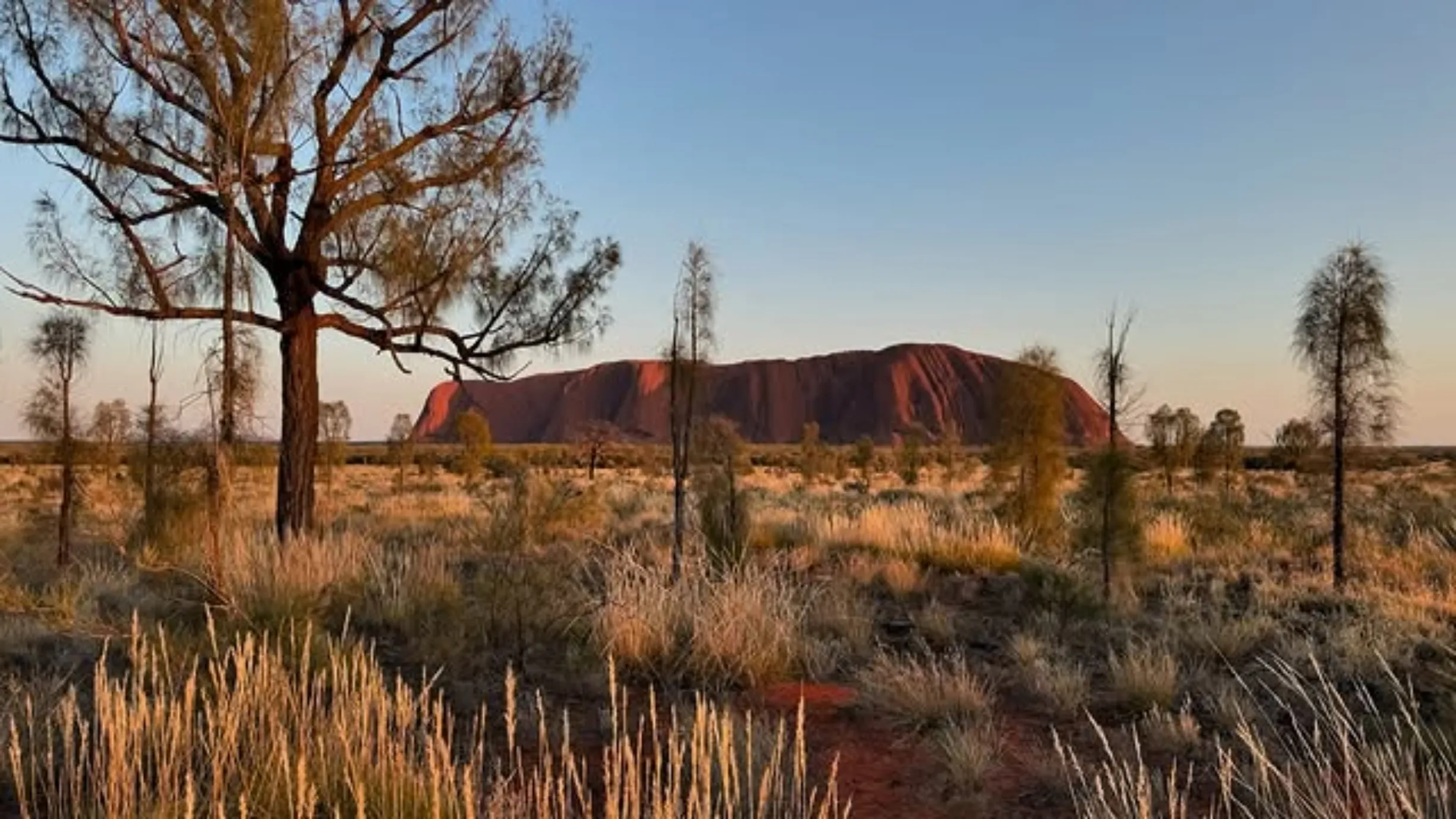
- Hotel accommodations at Ayers Rock Resort, Desert Gardens Hotel, and even the cheapest accommodation options are snapped up fast.
- Tour groups crowd iconic spots like the viewing platform, Kata Tjuta, and the Gallery of Central Australia.
- Regular flights to Ayers Rock Airport become expensive, and phone reception can struggle with capacity issues.
Booking a – tour during peak season? Expect to plan well ahead, as spots fill quickly and prices spike, especially for flights and accommodation. Operators like Wayoutback Tours often include extra destinations such as Kings Canyon and Ormiston Gorge, but you’ll need to book well in advance during peak times.
Fly Season: March–April Insect Invasion
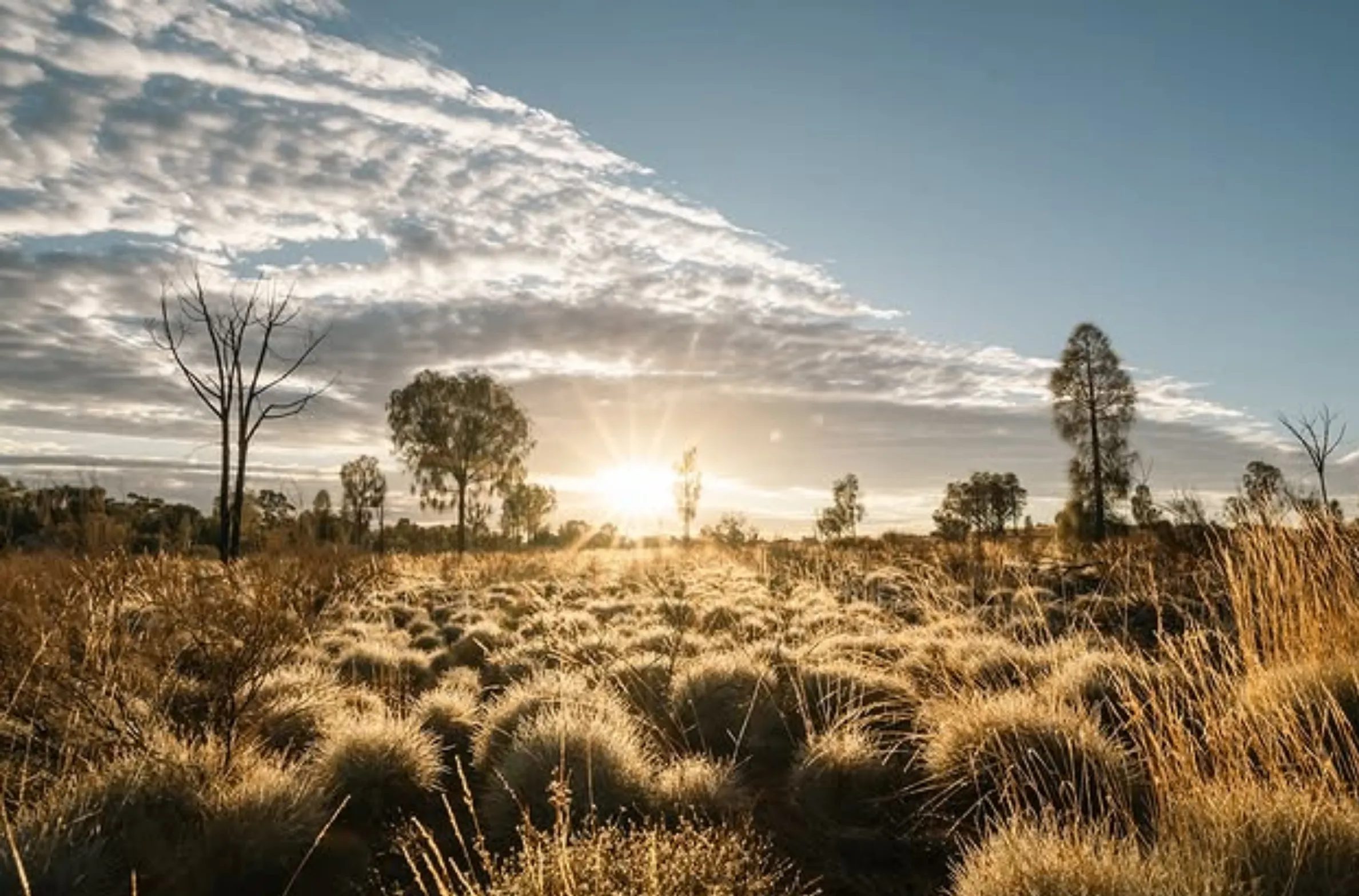
Just as cooler night temps start making a comeback, a different annoyance rises: flies.
What to Expect
- Massive fly swarms—especially near Tjuta National Park, waterholes, and natural landmarks.
- Cultural events or outdoor meals near Town Square or Curtin Springs Wayside Inn are hampered by pests.
Outdoor activities offered on most Uluru tours, such as the Base Walk or Mala Walk, become less enjoyable if you’re constantly swatting flies. Come prepared with a protective head net and plenty of water.
Short Trips: Not Worth the Rush
If you only have 24 hours at Uluru, consider postponing. It’s not a destination to rush.
For those with tight schedules, a 2 day uluru tour from Alice Springs can be arranged, but keep in mind that travel time will take up most of your day, limiting your ability to explore Uluru-Kata Tjuta National Park in depth. A proper trip requires time to absorb the cultural significance, engage with the Traditional owners, and appreciate the full range of natural wonders.
Looking for City Comforts? Think Again
If your initial decision to visit Uluru was based on luxury expectations, be aware—while there is Outback luxury, it’s not a city.
What Uluru Doesn’t Have
- Big shopping centres or nightlife
- 24/7 public transport or Uber
- Urban-level services or entertainment
It does have:
- Aussie outback experiences
- Incredible sights like the night sky, natural phenomena, and ancient stories etched into rock
- Opportunities for a deeper understanding of Aboriginal culture and Australian culture
Cold Winter Nights: June to August
Though often considered the perfect time, winter (the coldest months) can be a shock for those expecting mild desert warmth.
Reality of the Coolest Season
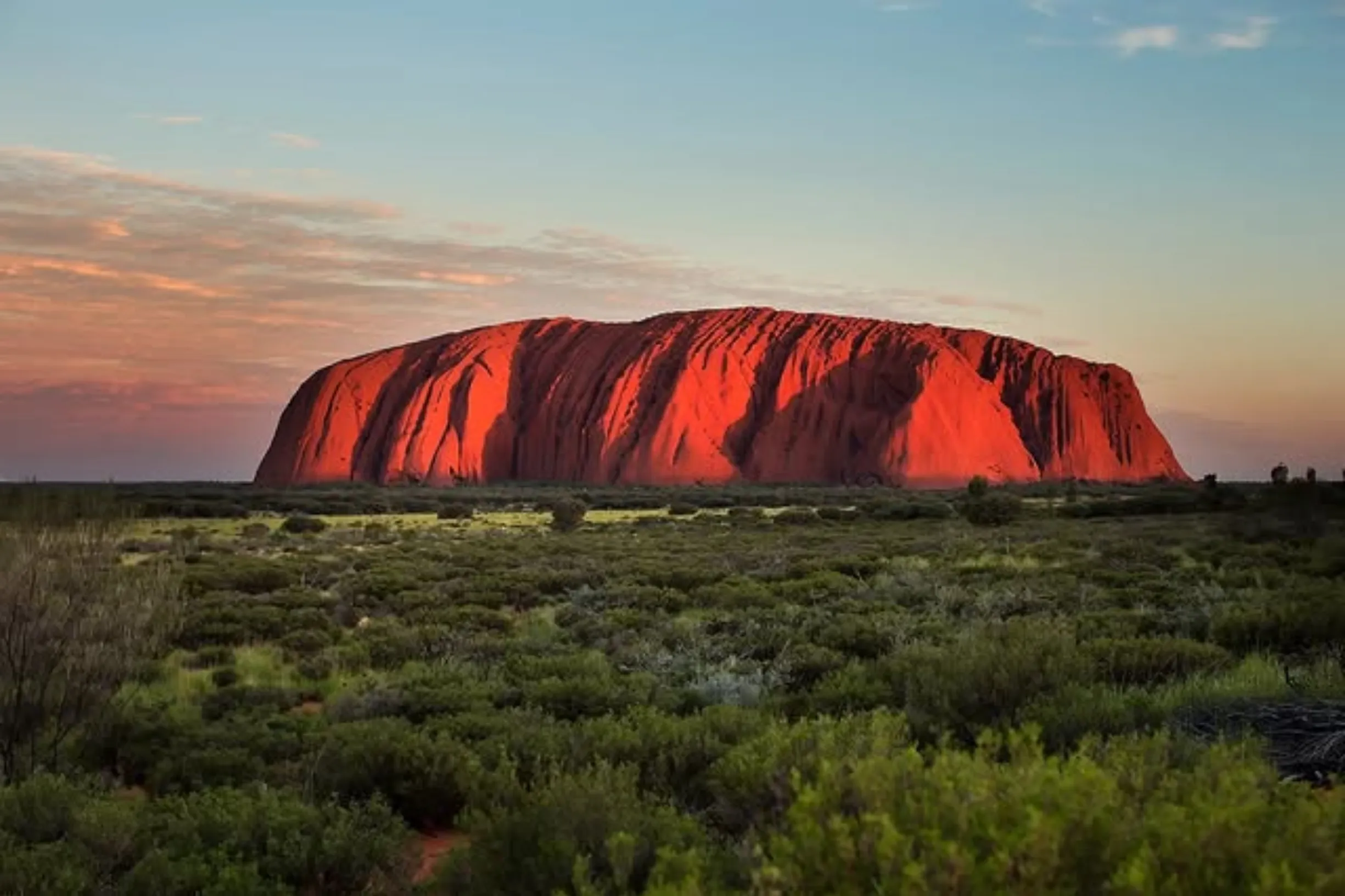
- Minimum temperatures at night can dip below 0°C.
- Campers without warm layers or proper gear will struggle with cold winter nights.
- Average minimums are low, though daytime temperatures are ideal for hiking.
Still, many consider this the ideal time to enjoy comfortable weather, breathtaking landscapes, and pleasant weather for walks across the desert landscape.
When IS the Best Time to Travel to Uluru?
Here’s a breakdown comparing distinct seasons and what you can expect:
| Timeframe | Weather | Experience Type | Notes |
|---|---|---|---|
| June–August | Cool days, cold nights | Best for hiking & tours | Bring warm layers |
| Late April–May | Mild temperatures | Balanced trip | Some bugs, but tolerable |
| September | Warming up | Spring flowers, fewer crowds | Avoid midday hikes |
| October | Warming further | Early morning only hikes | Dry, but prepare for flies |
| Dec–Feb | Extreme heat, storms | Worst time | Avoid unless well-prepared |
FAQ
What is the worst time of year to visit Uluru?
The summer months (Dec–Feb) are the worst time due to extreme heat, afternoon rains, and disrupted walking conditions.
Are winter nights at Uluru too cold for camping?
They can be, especially from June to August, with the coldest months seeing overnight temps near 0°C. Pack accordingly.
Can I still enjoy Uluru during the wet season?
You can, but wet season storms and monsoonal weather may close roads and limit access to Uluru-Kata Tjuta National Park, especially if you’re on a Uluru tour with a fixed itinerary.
Are public holidays a bad time to go?
Yes, due to peak season crowds, inflated prices, and limited availability at hotel accommodations and guided Uluru tours.
How many days do I need to see Uluru properly?
At least two full days—or ideally a 4 day Uluru tour—to explore both Ayers Rock and Kata Tjuta, enjoy outdoor adventures, and connect with the Aboriginal culture that defines this sacred place.